Energy in Numbers: The Cost of Iraq’s Gas Flaring
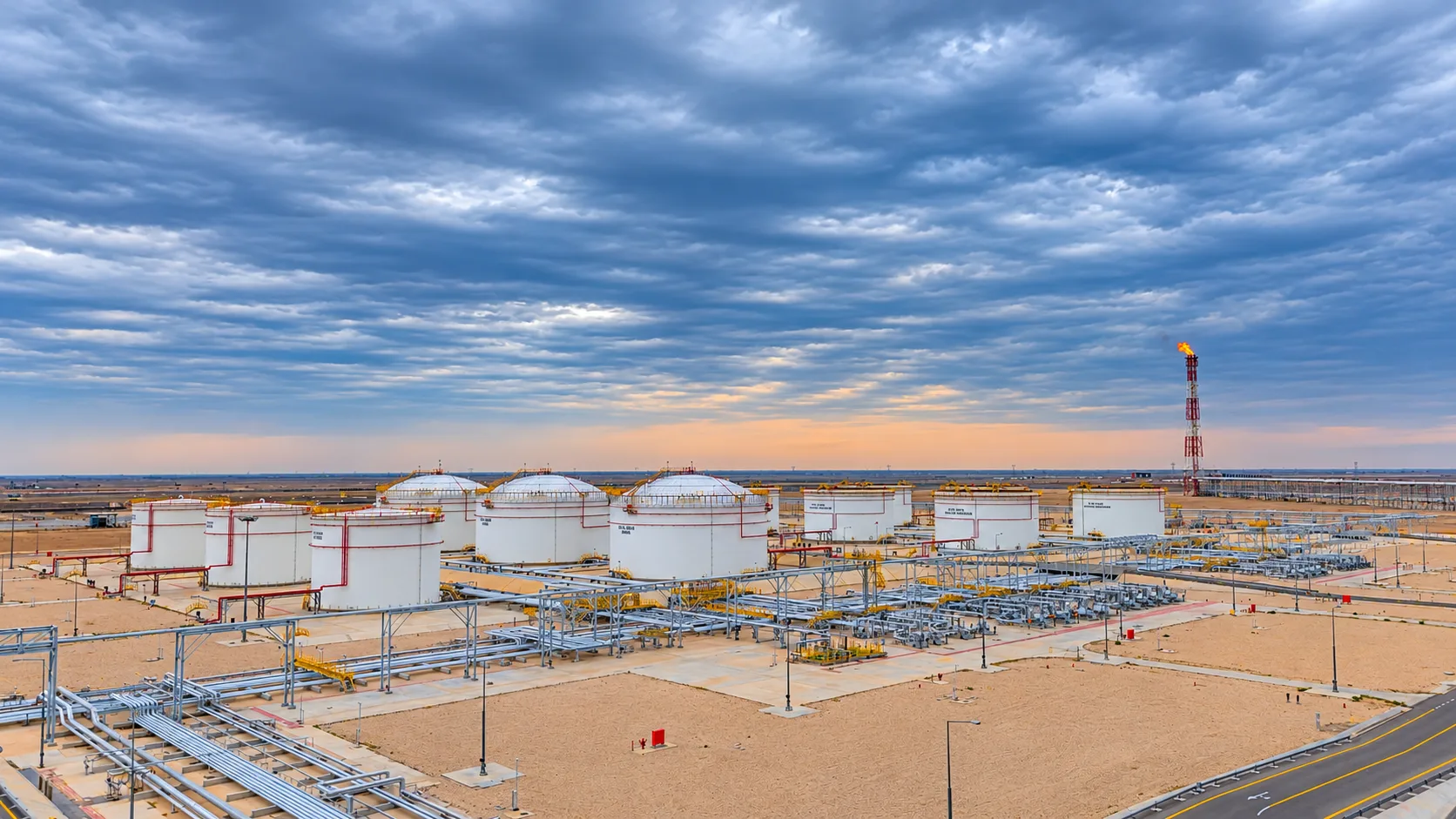
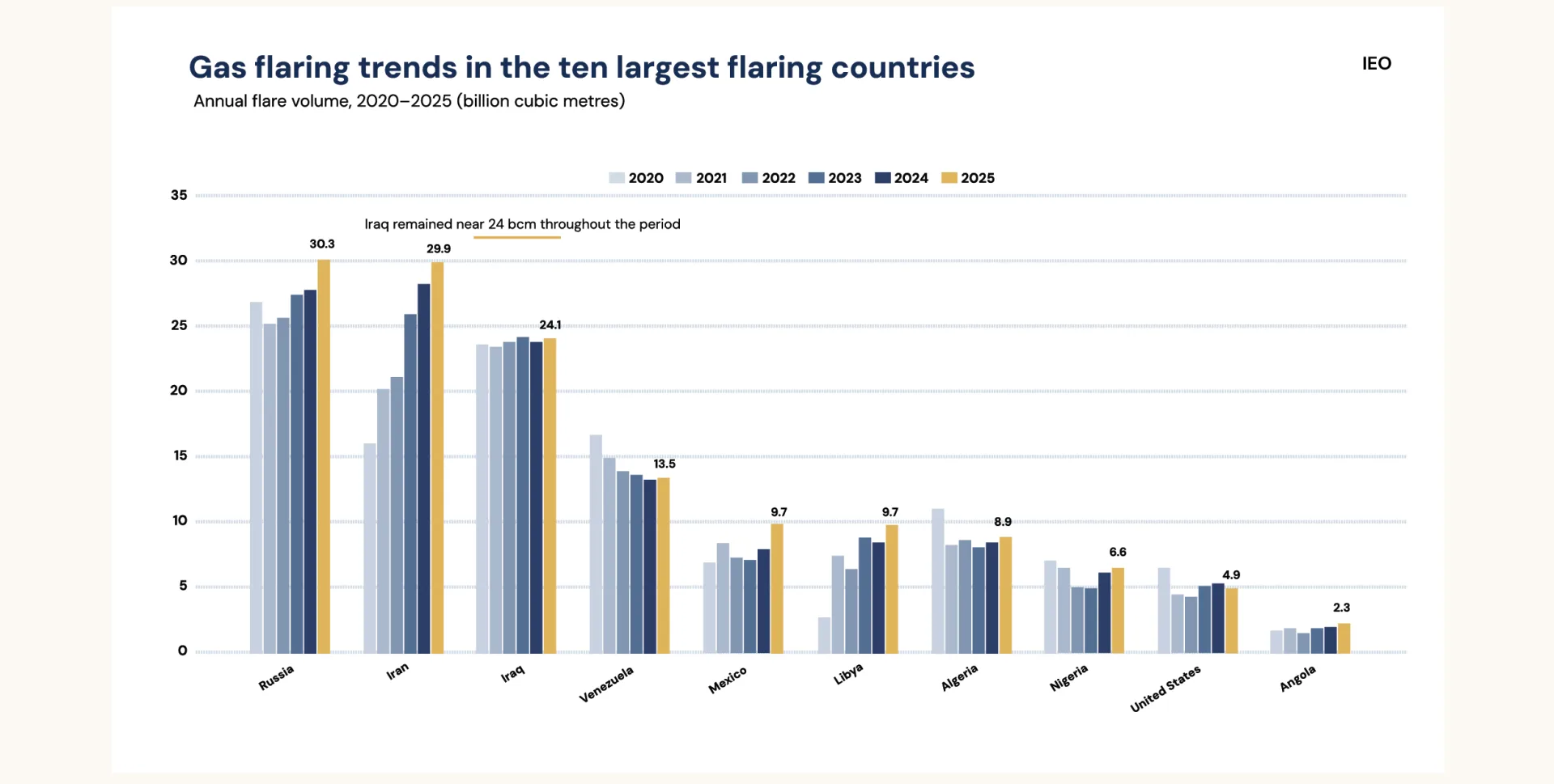
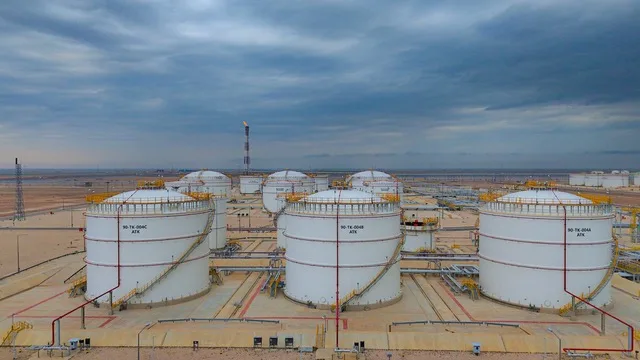
Iraq is the world’s fifth-largest oil producer but the third-largest gas-flaring nation, trailing only Russia and Iran…
Editor's Picks
Iraq is the world’s fifth-largest oil producer but the third-largest gas-flaring nation, trailing only Russia and Iran…
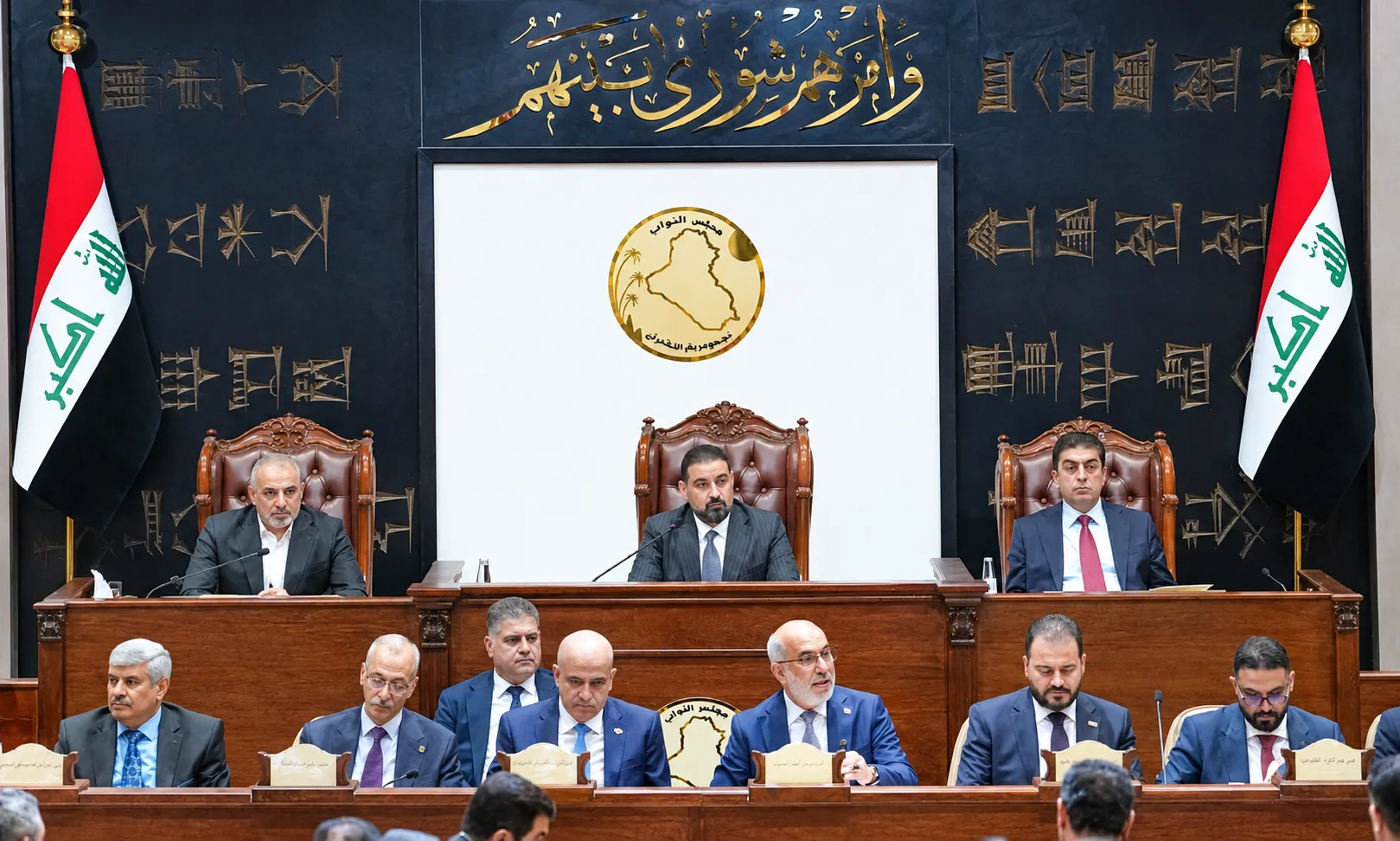
Iraqi Parliament questions Oil Minister Basim Mohammed Al-Khudhair over the fuel-products crisis, September 20, 2026. Source: Official Facebook accoun...
The de facto closure of the Strait of Hormuz as a result of the Iran-Israel-US war ex-posed one of Iraq’s most enduring economic vulnerabilities: the...
Latest from the Center
Iraq is the world’s fifth-largest oil producer but the third-largest gas-flaring nation, trailing only Russia and Iran…
Iraqi Parliament questions Oil Minister Basim Mohammed Al-Khudhair over the fuel-products crisis, September 20, 2026. Source: Official Facebook accoun...
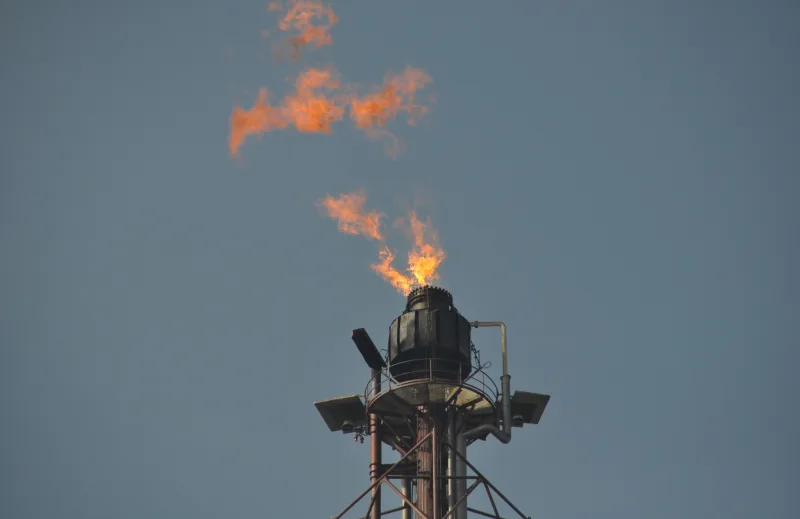
Iraq flared 24.1 billion cubic meters (bcm) of gas in 2025 while importing gas from Iran, which has proved an unreliable supplier over the years. The...
November, 2026 · 3
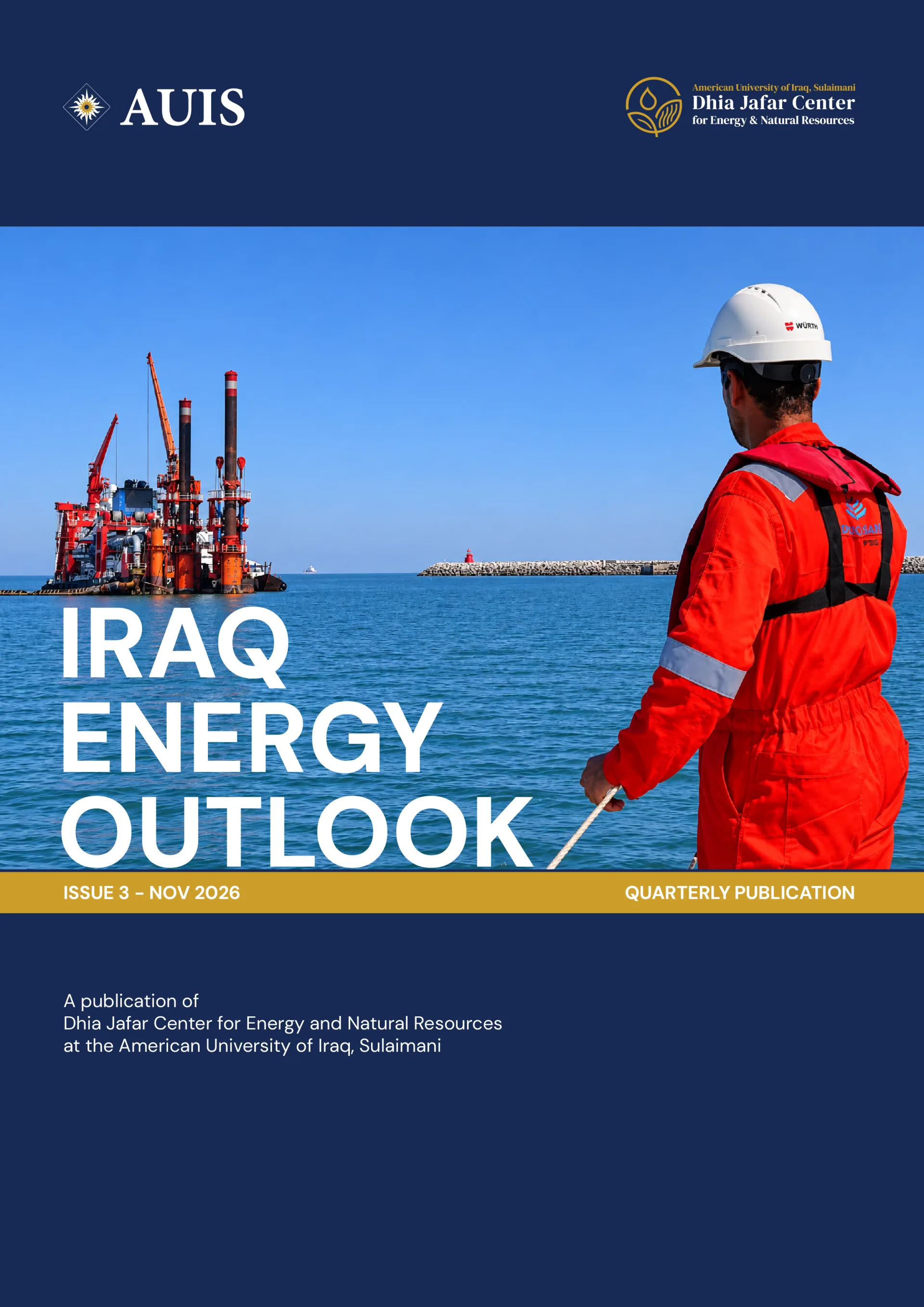
Released amid regional conflict that disrupted Strait of Hormuz exports and government finances, the third Iraq Energy Outlook examines how recent shocks worsened structural flaws, leaving Iraq with thinner fiscal buffers, weakened public services, and diminished energy and national security.
Highlighting a core systemic failure, Kate Dourian’s “Iraq’s Energy Paradox: Rich in Gas, Short of Power” details how late-2000s oil-first licensing treated gas as an afterthought, causing decades of power shortages and billions in wasted resources as Iraq buys unreliable Iranian gas while burning its own.
Assessing this, Mohammed Hussein’s “Where does Iraq’s Oil and Fiscal Recovery Stand?” notes that despite exports rebounding from 246,000 barrels per day (bpd) in May to 2.8 million bpd in September—restoring $7 billion in monthly revenues—this recovery was price-driven rather than volume-driven. To resolve these inefficiencies, Ahmed Gailani’s “Towards an Integrated Energy System Model for Iraq” argues planners must adopt a unified federal and Kurdistan Region model to visualize investment dependencies.
"Energy in Numbers" quantifies this: in 2025, Iraq flared 24.1 billion cubic meters (bcm), wasting enough gas to theoretically generate 14–15 continuous gigawatts (GW), dwarfing the 4 GW produced by Iranian imports. Finally, "Energy Developments in Context" tracks four ongoing stories, each of which complicates the energy landscape in their own way.

Educational Corner
What is energy ? And how are dead organisms related to oil?
Energy Sectors
Events & Insights
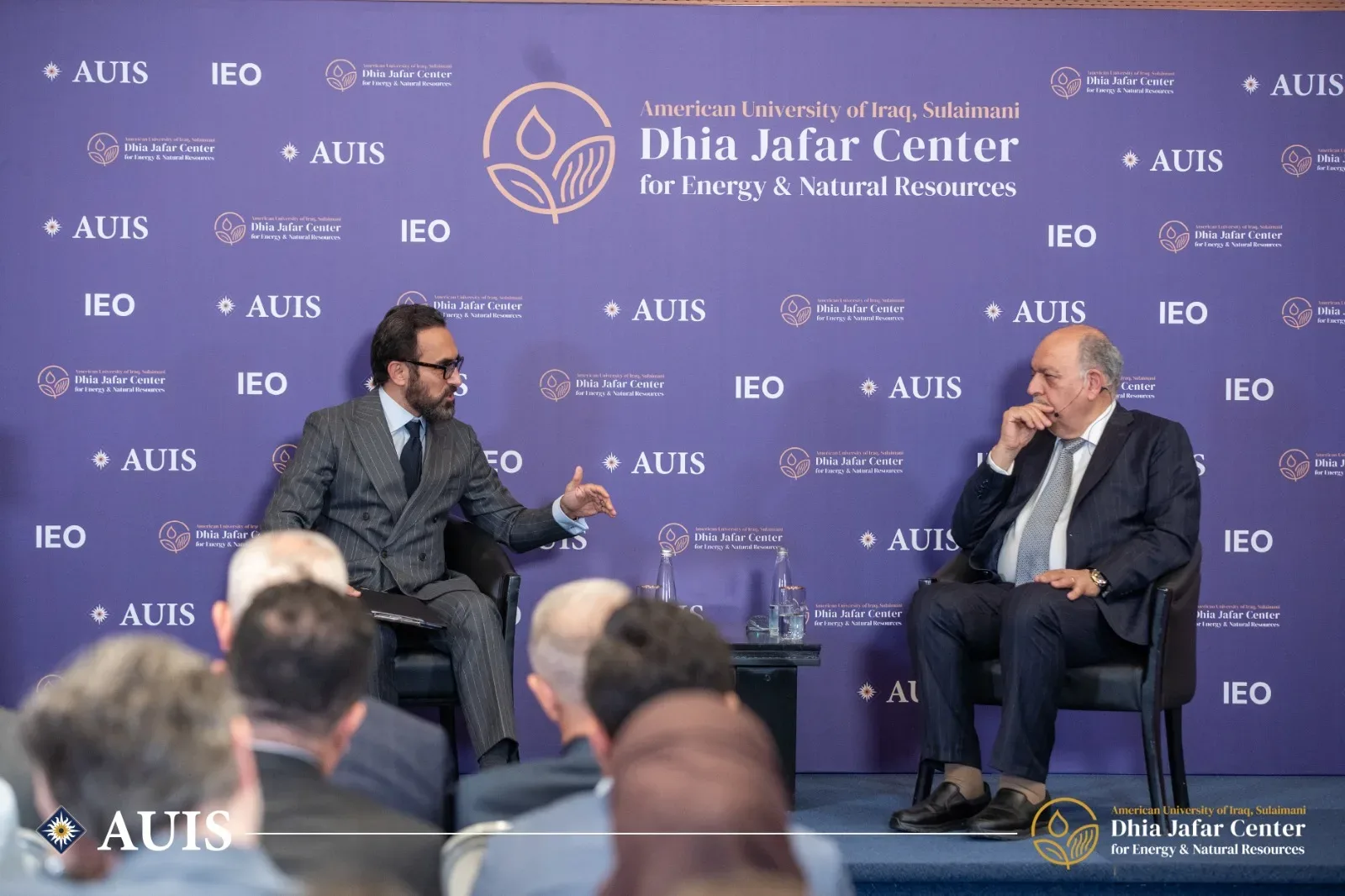
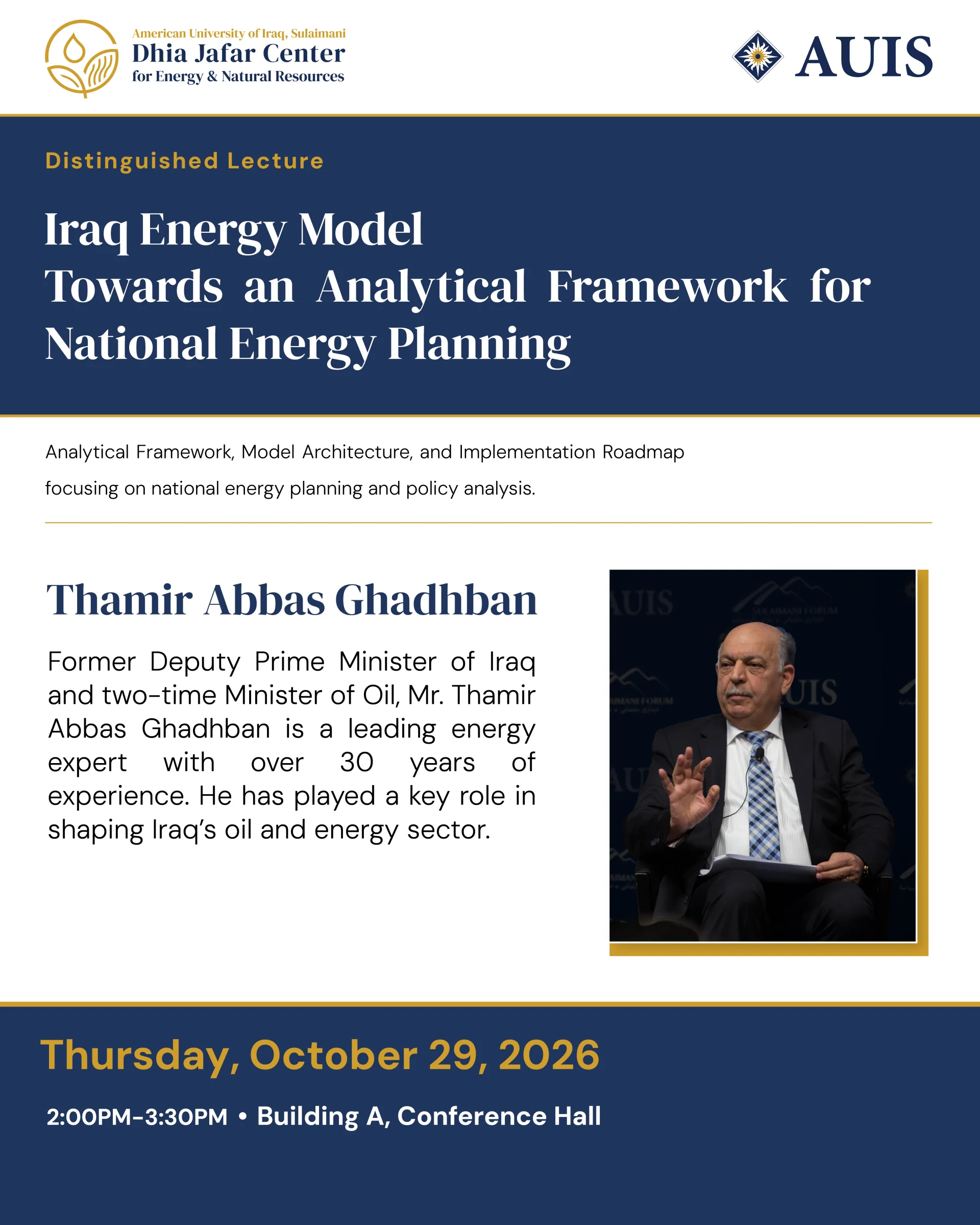
On October 29, 2026, former Oil Minister Mr. Thamir Ghadhban presented the “Iraq Energy Model” at the American University of Iraq, Sulaimani...
Read Recap
Iraq Energy Model Towards an Analytical Framework for National Energy Planning Analytical Framework, Model Architecture, and Implementation...
Read RecapWork With Us
Whether you're a policymaker, researcher, journalist, or student — we welcome collaboration and inquiry on the questions that shape Iraq's energy future.