About the Dhia Jafar Center

An independent research institute at the American University of Iraq, Sulaimani — dedicated to producing rigorous, evidence-based analysis of Iraq's energy sector and natural resource governance.

Our Mission

The Dhia Jafar Center for Energy & Natural Resources is dedicated to advancing independent, evidence-based research and policy dialogue on Iraq’s energy sector and its role in the country’s economic development. The center seeks to promote a more informed national conversation around oil, gas, electricity, renewable energy, climate pressures, and the broader political economy shaping Iraq’s future. Through applied research, publications, policy engagement, and public dialogue, the Center aims to bridge the gap between academic analysis and practical policymaking. Its work focuses on helping decision-makers, researchers, and the wider public better understand the structural challenges facing Iraq’s energy sector and the economic choices that will shape the country’s long-term stability and prosperity.

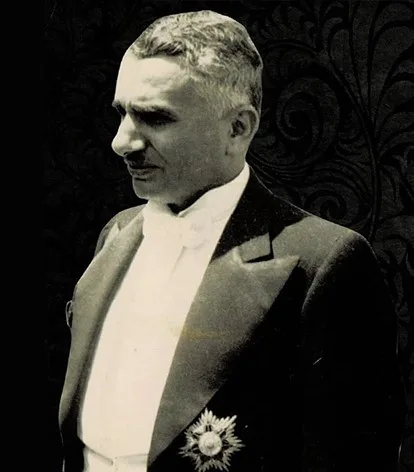
Dr. Dhia Jafar (1910–1992)

Our story

Dr. Dhia Jafar was one of Iraq’s most distinguished statesmen, engineers, and nation builders. As Iraq’s first holder of a PhD in engineering, earned from the University of Birmingham in 1936, he dedicated his career to advancing the country through education, technical excellence, and public service rather than political affiliation. Between 1947 and 1957, during the final decade of the Iraqi Monarchy, he successfully led four ministries, including Economy, Works and Transport, Finance, and Development. Throughout his ministerial service, he laid the foundations for Iraq’s modern technical institutions, initiated studies for major water infrastructure projects such as the Tharthar Dam, strengthened the nation's financial stability by establishing the gold standard for the Iraqi currency, promoted Iraqi leadership in the electricity sector, and sought to maximize the national benefit of the country's oil resources. Beyond government service, he helped establish Iraq’s first industrial school and later served as President of the Society of Iraqi Engineers. His enduring legacy of innovation, visionary leadership, and commitment to national development continues to inspire future generations and remains the foundation of the center that proudly bears his name.

A Life’s Work

1936

Earned a PhD in Mechanical Engineering from the University of Birmingham, United Kingdom, becoming Iraq's first holder of a scientific PhD.

1937–1946

Held several senior engineering positions in Iraq and contributed to establishing the country's first industrial school, promoting technical education and workforce development.

1947–1957

Served in four cabinet ministries during the final decade of the Iraqi Monarchy, including Economy, Works and Transport, Finance, and Development, leading major national reforms and infrastructure initiatives.

1949

Appointed Minister of Economy, where he spearheaded the nationalization of the electricity sector, enabling it to be managed by Iraqi professionals.

1954

As Minister of Finance, established the gold standard for the Iraqi currency and strengthened the nation's financial stability by pegging the Iraqi Dinar to the Pound Sterling.

1954–1957

As Minister of Works and Transport and later Minister of Development, laid the foundations for Iraq's modern technical ministries, initiated studies for major water projects—including the Tharthar Dam—expanded development plans using increased oil revenues, and promoted the efficient use of Iraq's natural resources.

1957–1958

Served as President of the Society of Iraqi Engineers, continuing to advance engineering excellence and technical leadership in Iraq.

A Center Built on a Life's Work

A Center Built on a Life's Work

Iraq's energy sector is the financial backbone of the state, with oil revenues funding the vast majority of public spending, salaries, and government operations — meaning every disruption in exports, electricity, or investment carries immediate consequences for ordinary Iraqis. Yet energy debates remain dominated by short-term politics and crisis management rather than rigorous long-term analysis. This center was established to address this gap, promoting serious, data-driven discussion grounded in economic realities rather than slogans or speculation. Iraq possesses immense natural resources, strategic geography, and a young population with significant potential — yet remains highly exposed to price volatility, infrastructure weaknesses, and institutional fragmentation. Our vision is to help transform the energy sector from a source of recurring vulnerability into a foundation for sustainable development, built on stronger institutions, better data, and long-term strategic thinking.

Key areas of focus include

The Center produces policy-oriented research and analysis covering Iraq’s oil, gas, electricity, renewable energy, public finance, and energy transition challenges. Its work combines economic analysis with practical understanding of Iraq’s institutional and political realities.

Oil and gas sector developments

Electricity reform and energy security

Public finance and resource dependency

Energy infrastructure and investment

Climate and energy transition policies

Energy-related regional and geopolitical dynamics

Data analysis and energy market monitoring

The Center also publishes Iraq Energy Outlook (IEO), a quarterly magazine providing accessible, data-driven analysis of Iraq’s evolving energy landscape in English, Arabic, and Kurdish.

Research and Public Engagement

Beyond research, the Center aims to create a platform for dialogue and professional development. It works to support students, researchers, policymakers, industry professionals, and young analysts interested in Iraq’s energy future. Through publications, workshops, public discussions, and partnerships with international research institutions, the Center seeks to strengthen local research capacity and contribute to a more informed and constructive policy environment in Iraq and the Kurdistan Region.

Team

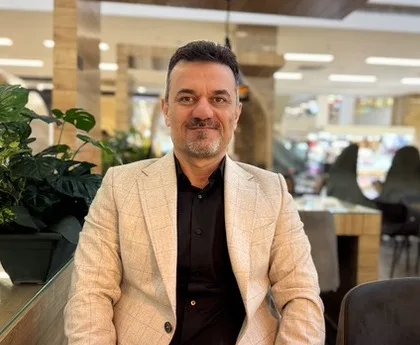
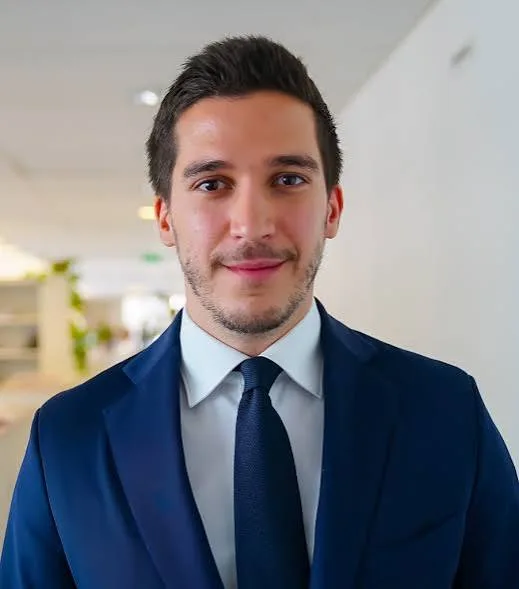
Mohammed Hussein

Mohammed Hussein

Research Manager

Mohammed Hussein is an Iraqi economist and energy analyst focused on oil & gas, public finance, and energy governance. He is a Resident Fellow at the Dhia Jafar Center and Editor-in-Chief of *Iraq Energy Outlook*. With over a decade of experience, he has worked on energy economics, fiscal policy, and post-conflict governance with international organizations and the EU. His work is widely published, and he holds a Master’s from the Barcelona School of Economics.

GA

Gulistan Amin

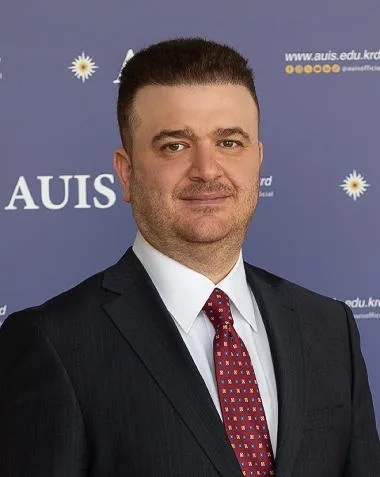
General Manager

Gulistan M. Amin is a program and operations professional specializing in stakeholder engagement, training coordination, and curriculum development. She previously served at the Foreign Service Institute at the State Department, where she supported the preparation of U.S. diplomats through curriculum design and program delivery. Her experience spans government, academic, and international development settings across Iraq and the United States, with expertise in program management, multilingual communication, and event coordination.

KO

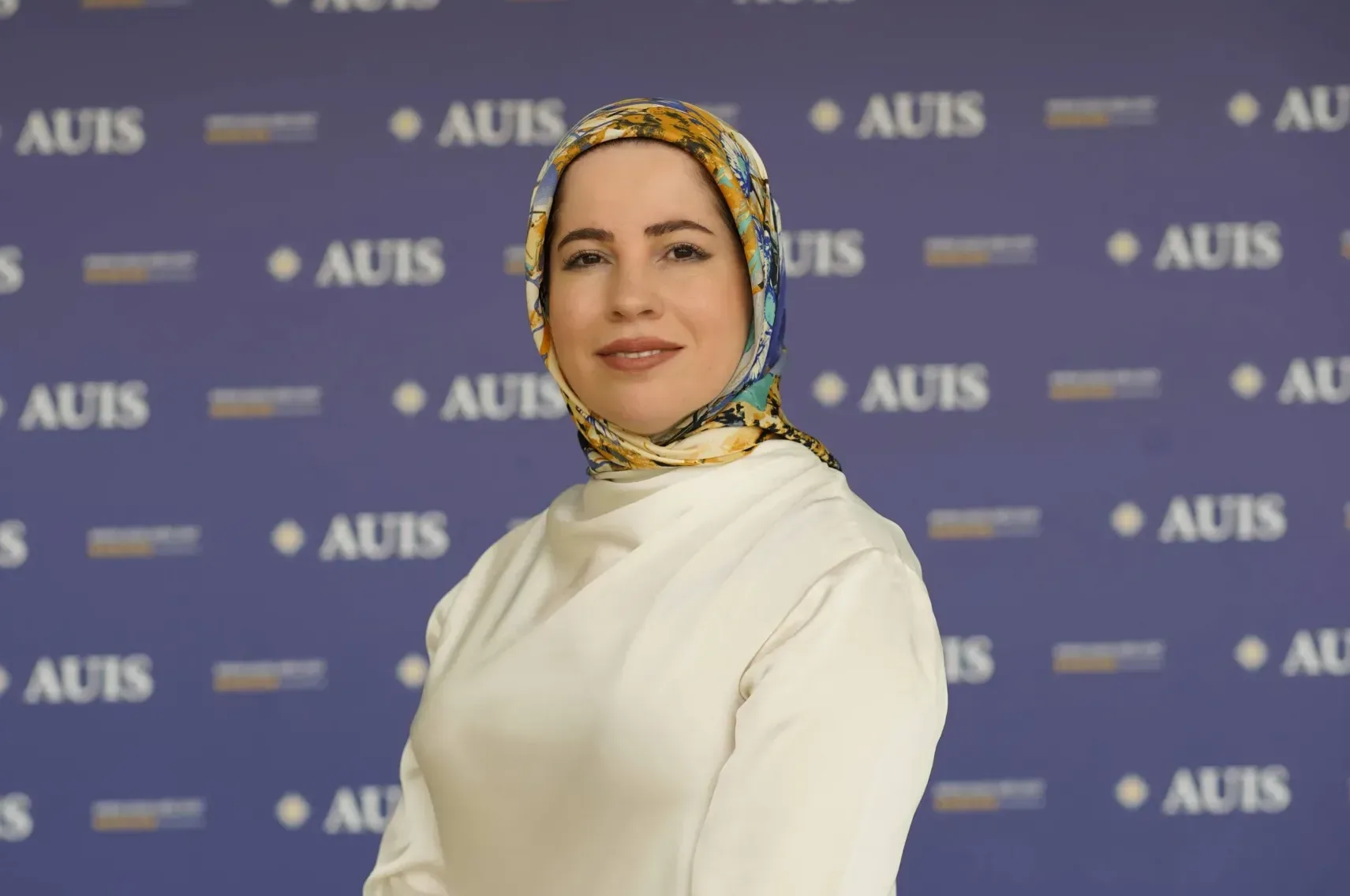
Kavi O. Ali

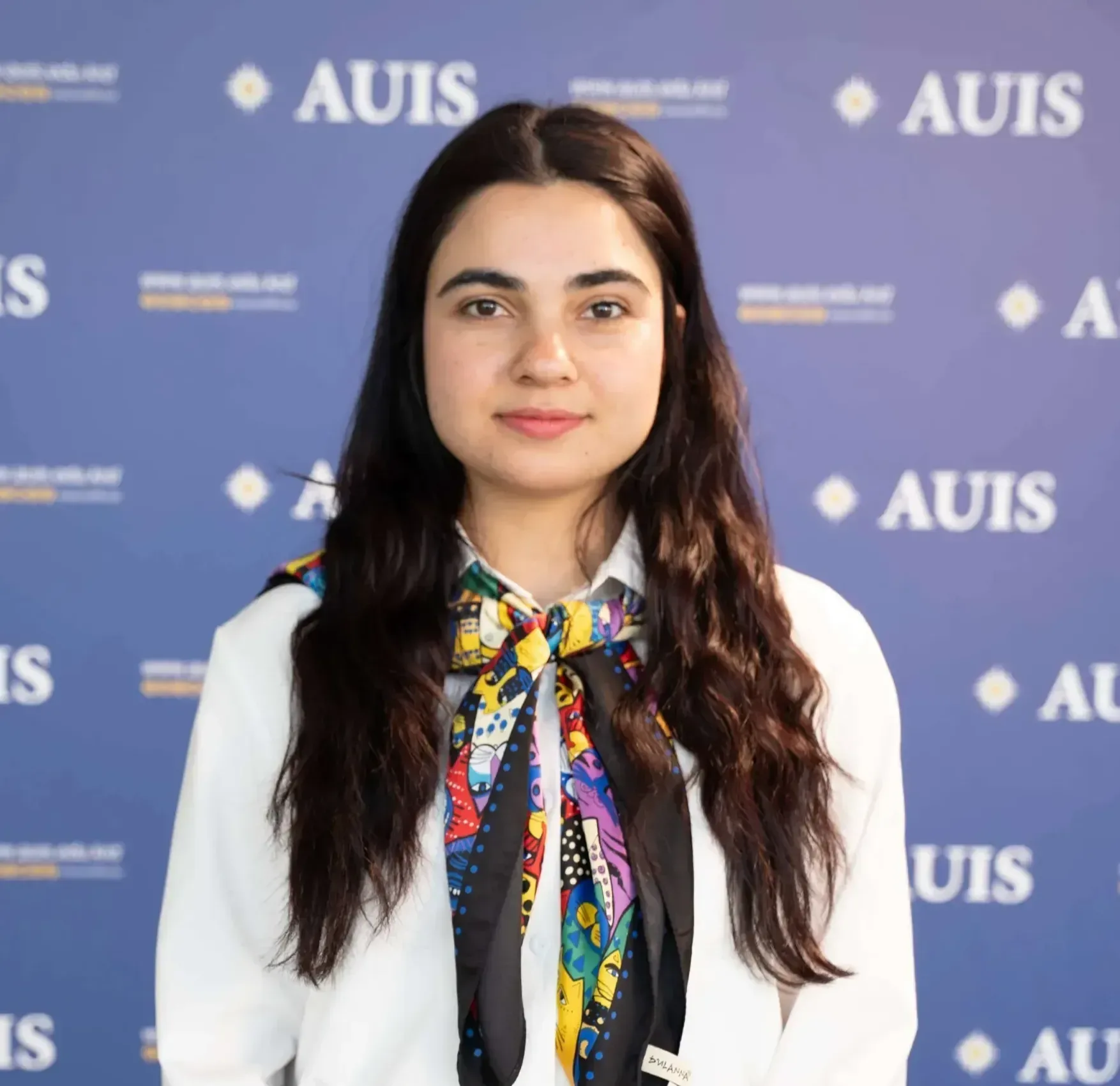
Research Assistant

Kavi O. Ali is a research assistant specializing in interdisciplinary research support, cross-cultural communication, and community engagement. She has contributed to local and international projects in the areas of cultural heritage, innovative technology and human rights. Her experience spans academic, nonprofit, and field research settings across Iraq, the United States, and Europe, with expertise in qualitative research, multilingual communication, and research coordination.

SJ

Shwan Jamal Azeez

Research Fellow

Shwan Jamal Azeez holds a PhD in Politics and International Relations from the University of Kent, United Kingdom. He has previously served as an Assistant Lecturer at the University of Kent and the University of Warsaw, and has taught at several higher education institutions across the Kurdistan Region of Iraq. He is an Assistant Professor in the Department of International Studies at the American University of Iraq, Sulaimani (AUIS), where he also serves as a Research Fellow at the Dhia Jafar Center for Energy & Natural Resources. His research examines the strategic governance of natural resources and their role in shaping political legitimacy, diplomatic engagement, and state-building processes in both de facto states and internationally recognized states.

Advisory Board

MA

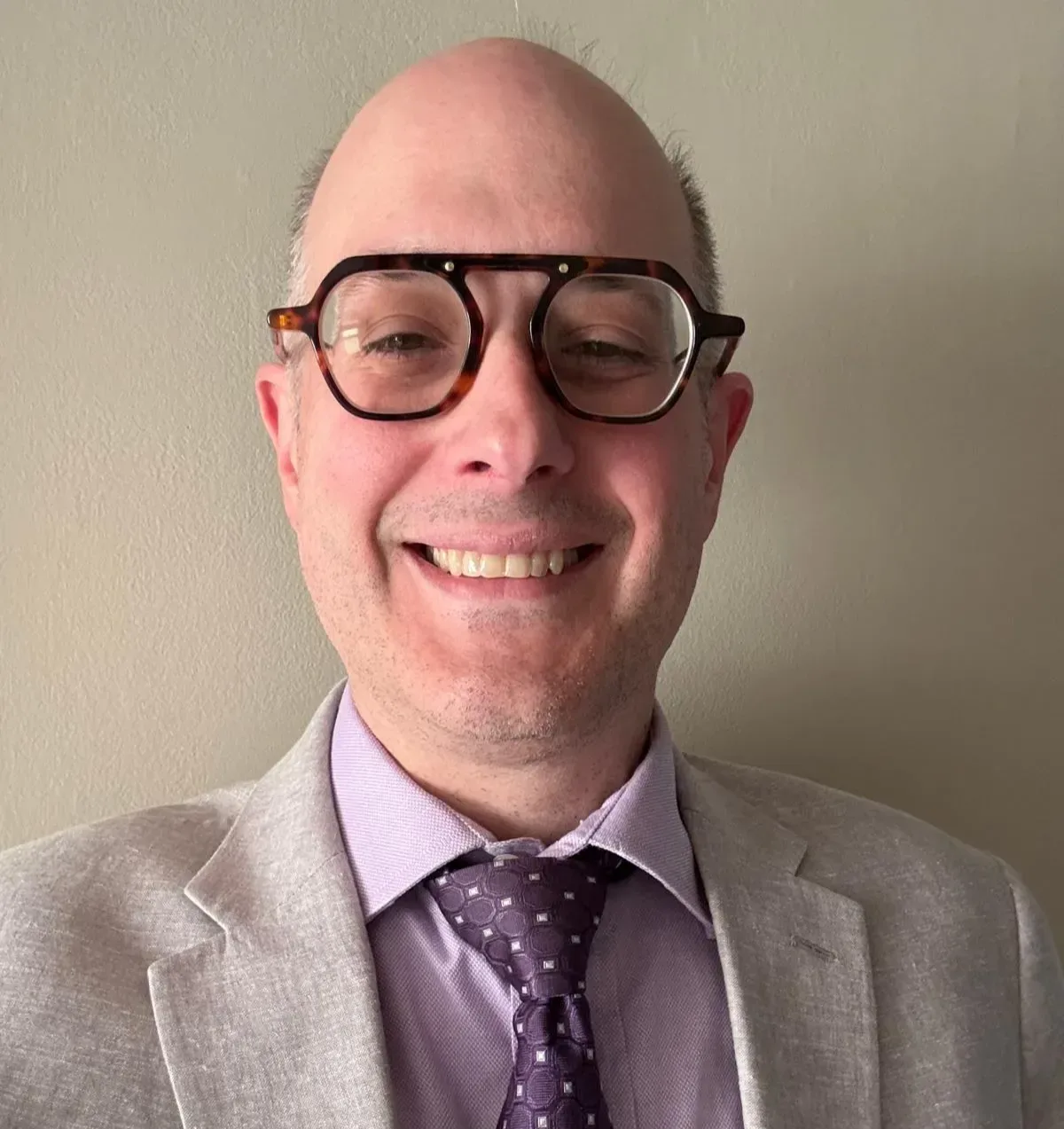
Matt Amitrano

Chair, Advisory Board
Matt Amitrano is an authority on Middle East and energy issues who has worked for the U.S. Department of State and other institutions for over 20 years. He served on a panel regarding Iraq and the Iraq Kurdistan Region at the Washington Institute for Near East Policy. He has been a guest lecturer on energy and the Middle East at several universities, most recently Georgetown University, University of Dayton, American University, and Marymount University. He has a Bachelor's Degree in International Affairs from The George Washington University. In his free time, Matt is an avid player of boardgames who regularly competes in the World Boardgaming Championships, winning an Acquire tournament in 2008 and earning runner up in a Tigris-Euphrates tournament in 2025.
AS

Ali Saffar

Board Member
Ali Saffar heads the Europe, Middle East, Africa and Latin America Division at the International Energy Agency. In this role, he works with governments across these regions in support of energy, climate and economic priorities, and serves as a senior advisor to the IEA’s executive management. Earlier in his IEA career he was an energy analyst at the Office of the Chief Economist, where he co-authored seven editions of the IEA’s flagship long-term forecast, the World Energy Outlook. Ali was formerly the Director of Energy Transition and Climate Action at the Rockefeller Foundation, where his work focused on financing projects to promote energy access and a just and equitable energy transition. He is a Senior Research Advisor at the University of Oxford’s Technology and Management Centre for Development, and has published widely on pathways to economic diversification in oil and gas producing countries, and has advised governments across the Middle East and North Africa on their energy policies. He teaches the “Energy transition and Climate Change” class at Sciences Po, in France. He spent his early career at the Economist Intelligence Unit, after graduating from the School of Oriental and African studies in London.
SZ

Shwan Zulal

Board Advisor
Shwan Zulal is a consultant with 20+ years of experience advising on political and commercial risk in Iraq, the Kurdistan Region, and Syria. As Managing Director of Carduchi Consulting, he supports oil companies, financial institutions, and governments with strategy, energy investments, and market access, leveraging deep expertise in the region’s hydrocarbon sector and strong local networks.
SA

Safwan Al-Amin

Board Member
Safwan Al-Amin joins our faculty as a distinguished visiting professor of law, bringing exceptional expertise in commercial law, constitutional law, and public policy. A graduate of three world-renowned institutions, he holds an LL.M. from Yale Law School, a Master of Public Administration from Harvard Kennedy School, and an LL.B. from SOAS, University of London. As a practicing attorney admitted to the bars of New York, the District of Columbia, Dubai, and Iraq, Mr. Al-Amin offers students unique insights from his extensive work at premier global law firms, including Holland & Knight and Squire Patton Boggs. His diverse practice encompasses international arbitration, federal litigation, and cross-border regulatory matters, with particular emphasis on Middle Eastern jurisdictions. Beyond his legal practice, Mr. Al-Amin has shaped policy at the highest levels of government, serving as Chief of Staff to Iraq's Prime Minister-designate in 2020 and advisor to key Iraqi leaders. His scholarly work examines critical issues in Iraqi constitutional law, matters at the intersection of public policy and law, and U.S.-Iraq commercial relations. A sought-after speaker, he has presented at prestigious forums including the Chatham House Iraq Initiative and the Washington Institute. Mr. Al-Amin conducts his international practice in both Arabic and English. His courses will offer students invaluable perspectives on international legal practice, policy formation, and cross-cultural business negotiations.
Engage With the Center

Whether you're a policymaker, researcher, journalist, or student — we welcome collaboration, inquiry, and rigorous debate on the questions that shape Iraq's energy future.