

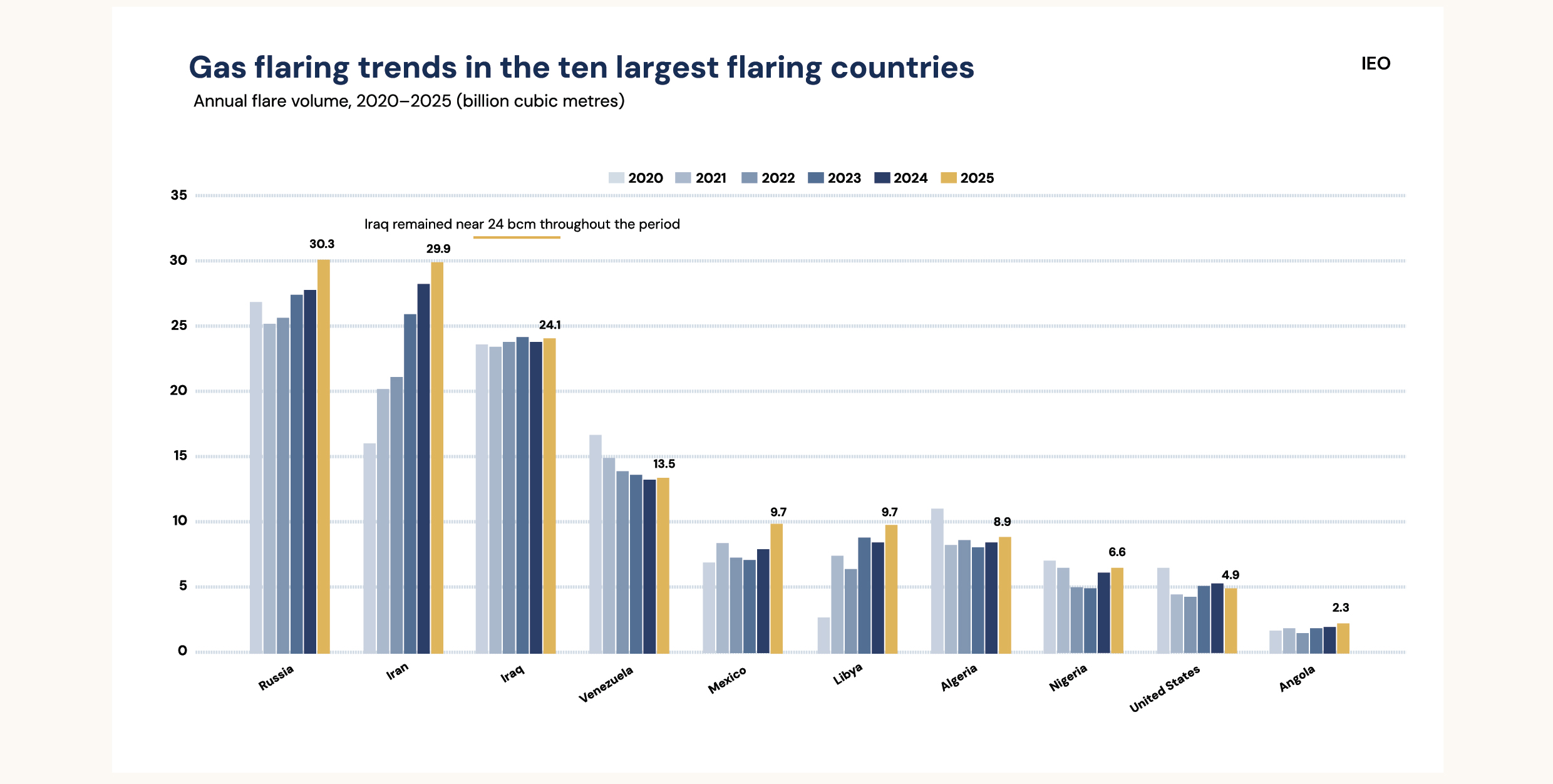
Iraq is the world’s fifth-largest oil producer but the third-largest gas-flaring nation, trailing only Russia and Iran. According to the World Bank’s latest satellite-based estimates, Iraq flared approximately 24.1 billion cubic meters (bcm) of gas in 2025—equivalent to roughly 66 million cubic meters per day or 2.3 billion cubic feet per day*.
Consequently, Iraq accounted for approximately 14% of the 167 bcm of gas flared globally. This represents not only an acute environmental liability but also a severe economic opportunity cost for a country burdened by chronic electricity deficits and heavy reliance on imported natural gas.1
If this associated gas is captured, gathered, and processed efficiently, it could serve as a pivotal domestic energy resource. Assuming standard calorific values and an efficient combined-cycle thermal power generation efficiency of 50–55%, the gas flared in 2025 possessed the theoretical potential to generate approximately 120–133 terawatt-hours (TWh) of electricity annually, corresponding to a continuous baseload generation capacity of 14–15 gigawatts (GW).
Even after adjusting for processing losses, plant maintenance downtime, and industrial feedstock allocation, net recoverable volumes could support generation on a scale capable of fundamentally altering Iraq’s power balance. For context, grid supply peaked at roughly 27–28 GW in 2025 against peak demand estimates of around 60 GW. The electricity potential of flared gas represents approximately half of peak grid supply, subject to infrastructure availability and operational efficiency.2
A comparison with Iranian gas imports underscores the magnitude of this inefficiency. Iraq imported an estimated 6.8 bcm of natural gas from Iran in 2025 while flaring 24.1 bcm domestically. In effect, Iraq flared more than three and a half times the volume of gas it imports from Iran.
At equivalent conversion efficiencies, imported volumes yield approximately 4 GW of continuous electricity generation capacity (around 34–37 TWh of electricity) , compared with the 14–15 GW potential latent in flared domestic resources.
While complete economic recovery of flared volumes is unfeasible, this disparity highlights a core structural paradox in Iraq's energy sector: substantial fiscal resources are allocated to imported fuel while a significantly larger domestic energy asset is destroyed.
As the subsequent empirical charts illustrate, upstream crude oil production capacity expanded significantly over the long term, but capital allocation toward associated-gas infrastructure lagged behind. Development prioritized extraction capacity over gas-gathering networks, compression stations, pipeline networks, and processing facilities.
Consequently, gas monetization was treated as a secondary byproduct rather than an integrated component of field architecture, as discussed by Kate Dourian in her article "Iraq's Energy Paradox: Rich in Gas, Short of Power" elsewhere in this issue of IEO. This operational model maximizes short-term crude revenues while wasting valuable feedstock that could be better used for power generation, petrochemical synthesis, fiscal stabilization, and structural economic diversification.
Iraq’s flaring challenge stems primarily from institutional and regulatory failures rather than resource constraints. It reflects persistent coordination breakdowns between upstream expansion schedules and the midstream infrastructure investments required to capture value from associated gas.
*The World Bank estimates gas-flaring volumes by using NOAA satellite sensors to detect the heat emitted by flares and converting the measured radiant heat into gas volumes through calibration against metered flare data; its main strength is providing an independent and globally consistent measure, particularly where operator reporting is incomplete. However, these figures are estimates rather than direct field-level measurements and may be affected by cloud cover, flare-detection and site-attribution difficulties, calibration assumptions, and the inability of satellites to distinguish routine flaring from emergency or safety flaring.
Figure 1. Iraq is the world’s third-largest gas-flaring country
Source: Authors’ compilation and visualization based on World Bank, Global Gas Flaring Tracker 2026, and the accompanying Flare Volume and Flaring Intensity Estimates by Economy, 2012–2025 dataset. Flaring volumes are satellite-derived estimates.
Figure 1 underscores the structural persistence of Iraq’s flaring levels. Flare volumes remained stagnant around 24.1 bcm between 2021 and 2025 (rising slightly from 23.68 bcm to 24.1 bcm), demonstrating that recent investments have yet to produce a sustained downward trajectory.
This is significant because Iraq faces electricity shortages while importing gas to fuel power stations. Economically, flaring destroys a domestic resource that could support electricity generation, industrial activity and lower import expenditure. It also shows that investment in oil production has not been matched by gas-gathering, processing, and transportation infrastructure.
Reducing flaring therefore requires enforceable obligations for field operators, transparent measurement and reporting, viable gas pricing, infrastructure planning, and timely project delivery.
Capturing associated gas would strengthen energy security. It could also improve public finances, reduce emissions, and provide fuel for productive sectors. Therefore, flaring reduction is central to Iraq’s economic resilience and sustainable development.
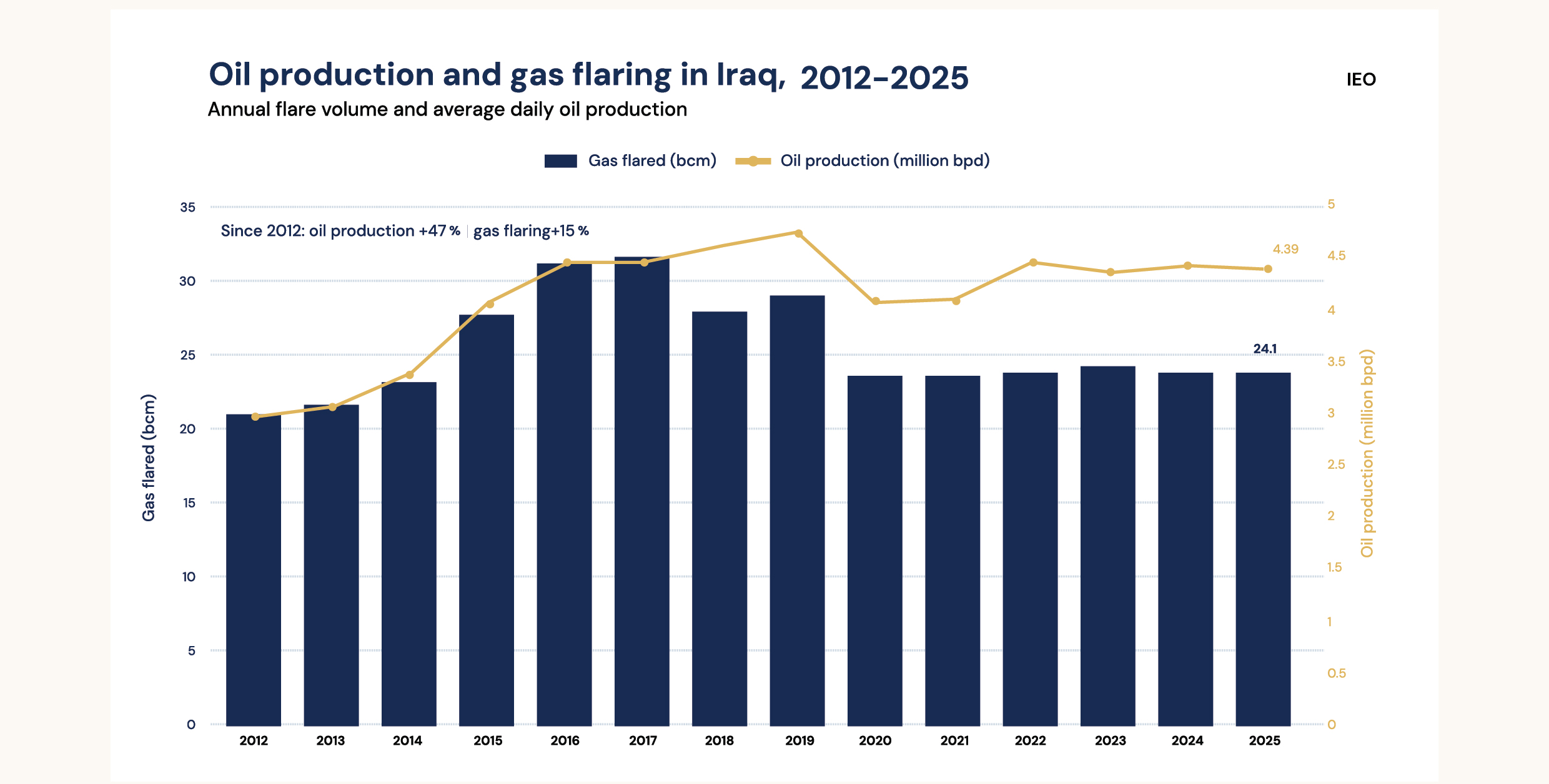
Figure 2: Trajectory of Oil Production and Gas Flaring Volumes
Source: Authors’ compilation and visualization based on World Bank, Global Gas Flaring Tracker 2026, and the accompanying Flare Volume and Flaring Intensity Estimates by Economy, 2012–2025 dataset. Flaring volumes are satellite-derived estimates.
Figure 2 shows that Iraq expanded oil production between 2012 and 2025, from 3.0 million to 4.4 million barrels per day, while gas flaring increased from 21.0 bcm to 24.1 bcm. Flaring peaked above 31 bcm in 2016–2017 before declining, but the improvement has stalled since 2020 at roughly 24 bcm annually.
This divergence suggests that investment in associated-gas capture, gathering and processing has not kept pace with upstream oil development. In the Iraqi context, this is very costly: the country burns a domestic energy resource while facing electricity shortages and relying on imported gas to fuel power plants.
The policy challenge is therefore not simply environmental. It concerns energy security, fiscal efficiency, and industrial development. Future oil projects should incorporate enforceable gas-utilization requirements, clear implementation-deadlines, and processing and transmission infrastructure. The Iraqi Oil Ministry recently started incorporating these conditions into contracts awarded for oil field development, and monitoring their practical implementation will be critical.
Mandatory gas-utilization clauses have recently been incorporated into contract terms with international oil companies (IOCs)—most notably deals with TotalEnergies and BP—though structural execution bottlenecks delay immediate operational impact.
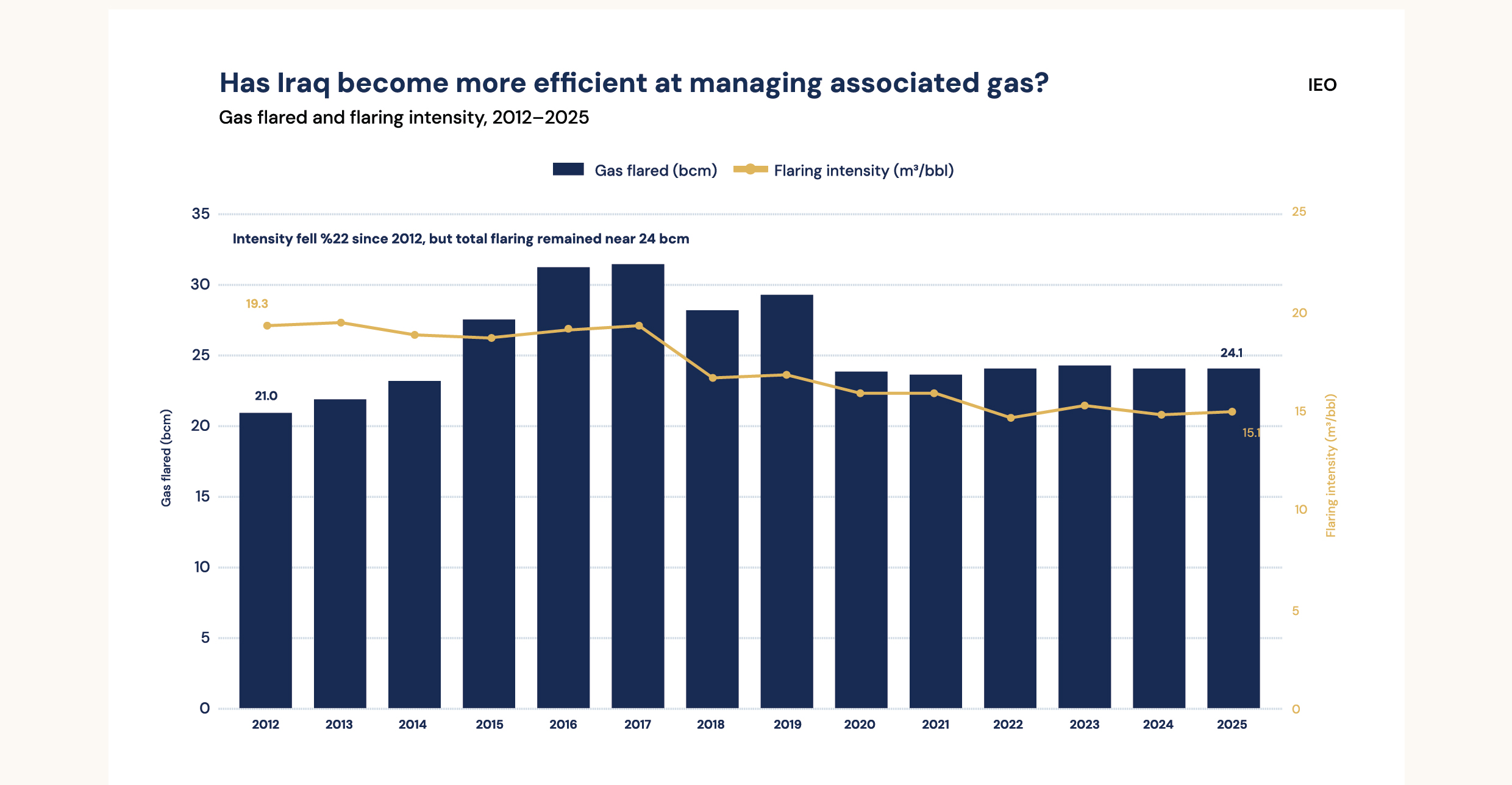
Figure 3: Gas flaring intensity has changed over time
Source: Authors’ compilation and visualization based on World Bank, Global Gas Flaring Tracker 2026, and the accompanying Flare Volume and Flaring Intensity Estimates by Economy, 2012–2025 dataset. Flaring volumes are satellite-derived estimates.
Figure 3 shows some improvement in Iraq’s management of associated gas, but not a reduction in waste. Flaring intensity fell by 22% between 2012 and 2025—from 19.3 to 15.1 cubic meters per barrel of oil produced.
Most of this improvement occurred after 2017, when intensity dropped as oil production remained high while total flaring fell from its 31.5 bcm peak. However, flaring has since stabilized near 24 bcm, meaning Iraq is burning more gas per year than in 2012.
Tracking intensity matters because it separates changes caused by oil-output movements from improvements in gas capture. A declining ratio can therefore coexist with persistently high absolute flaring.
From a policy perspective, Iraq should assess both indicators together. Field-level capture targets, enforceable limits, operator reporting, and investment in gathering, processing, and transmission infrastructure are required. Otherwise, rising oil production may improve intensity without delivering the gas, electricity, fiscal savings, and the emissions reduction Iraq needs.
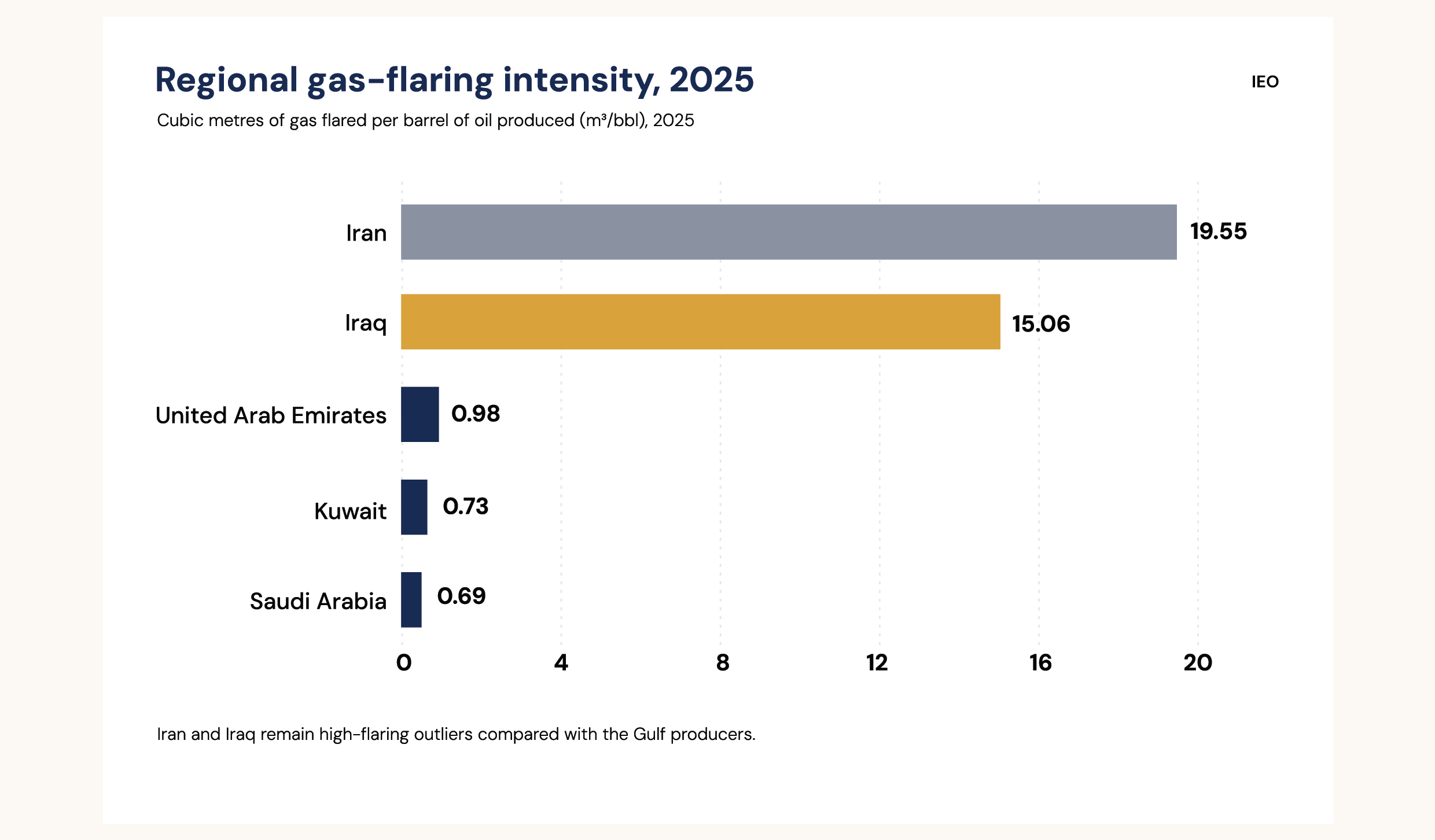
Figure 4: Iraq’s gas flaring intensity compared with regional peers
Source: Authors’ compilation and visualization based on World Bank, Global Gas Flaring Tracker 2026, and the accompanying Flare Volume and Flaring Intensity Estimates by Economy, 2012–2025 dataset. Flaring volumes are satellite-derived estimates.
The comparison in Figure 4 illustrates a stark dichotomy in regional associated-gas management strategies. Iran recorded the highest flaring intensity at 19.55 m³ per barrel, followed by Iraq at 15.06 m³/bbl. While Iraq outperforms Iran, it lags substantially behind the United Arab Emirates, Kuwait, and Saudi Arabia, all of which maintained intensities below 1.0 m³/bbl.
Crucially, Iraq flared approximately 15 times more gas per barrel than the UAE and over 20 times more than Kuwait and Saudi Arabia. This divergence cannot be attributed to the scale of crude extraction alone; Saudi Arabia produces significantly more oil than Iraq while maintaining far lower flaring intensity per barrel.
Rather, these disparities reflect structural differences in midstream infrastructure investment, regulatory enforcement, and the integration of gas-capture networks into field architecture. For Iraq, this represents a major institutional and policy vulnerability: substantial volumes of valuable domestic energy are flared while the country relies on costly fuel imports and suffers persistent power deficits.
Table 1. where the flared gas is produced
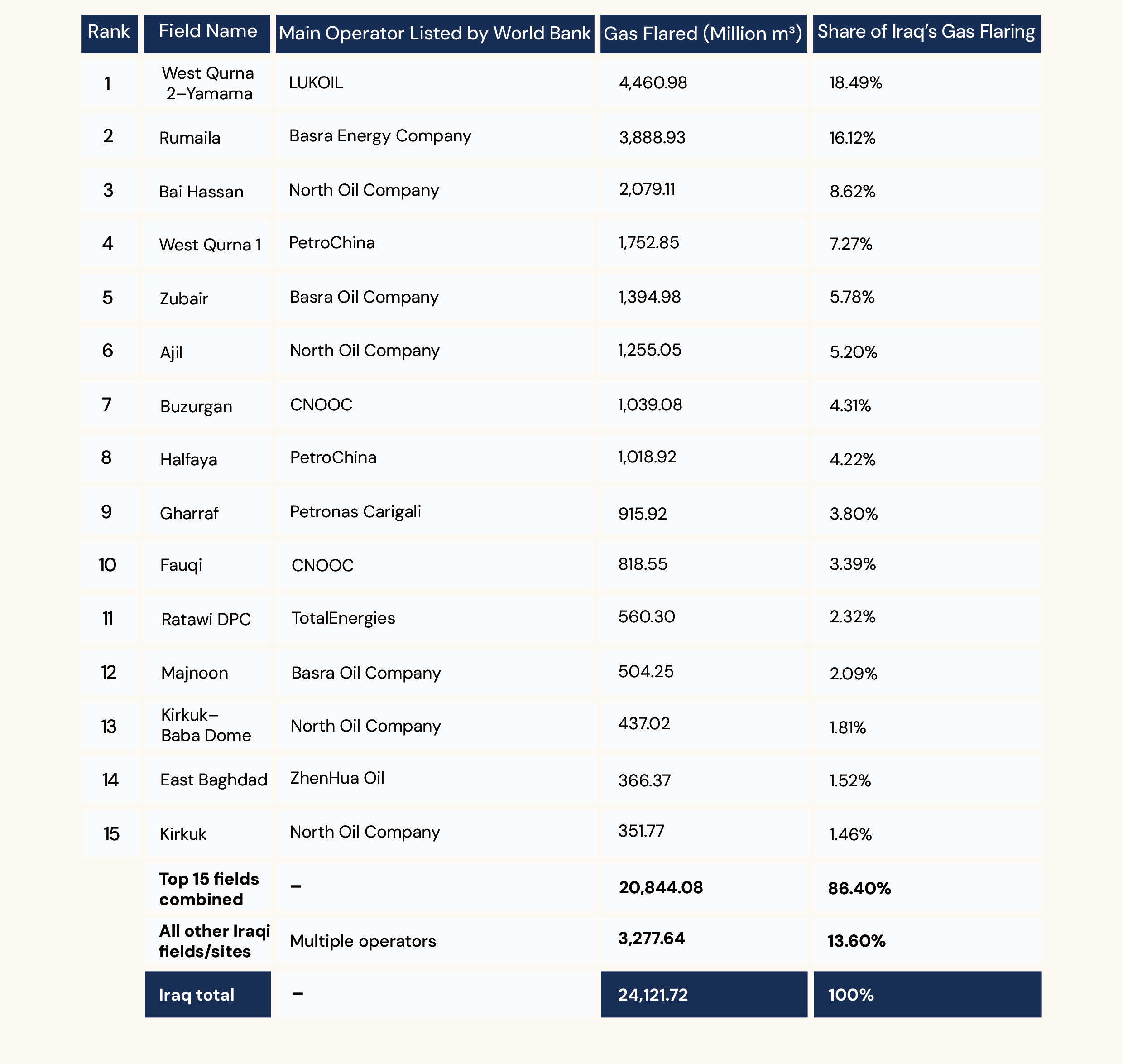
Source: Authors’ aggregation and calculations based on World Bank, Global Gas Flaring Tracker 2026, and the accompanying Flare Volume Estimates by Individual Flare Location, 2012–2025 dataset. Multiple flare locations assigned to the same field were combined. “Others” includes all remaining smaller fields and other flare locations. Field and operator names follow the World Bank’s metadata. Values are satellite-derived estimates.
Table 1 shows that Iraq’s flaring problem is concentrated in a small number of giant oil fields. The fifteen largest sites account for 86.4% of national flaring, while West Qurna 2 and Rumaila contribute a combined 34.6%.
Six of the top twenty fields are located in Basra, including West Qurna 2, Rumaila, West Qurna 1, Zubair, Ratawi, and Majnoon. Five others lie in Kirkuk and the northern cluster, including Bai Hassan, Ajil, Kirkuk–Baba Dome, Kirkuk, and Jambur.
This concentration improves the economic suitability of investment because large gas volumes can support gathering networks, processing plants, pipelines, and power-generation projects. It also permits technology and infrastructure to be deployed at scale.
However, the operator list shows that flaring is not confined to state-managed fields. Fields operated by LUKOIL (up to this February), PetroChina, CNOOC, TotalEnergies, and other IOCs also flare substantial volumes. Policy must therefore impose consistent capture targets, reporting standards, and enforcement requirements across all operators.
What the Numbers Tell Us
The evidence points to a persistent misallocation of Iraq’s energy resources. Despite marginal improvements in flaring intensity, the country continues to flare approximately 24 bcm of gas annually while facing severe electricity shortages and relying on costly gas imports. Because 86.4% of flaring is concentrated in just fifteen fields—primarily across Basra and Kirkuk—targeted midstream investments could yield substantial economic and operational returns. Priority should be given to expanding gas-gathering, processing, and transportation infrastructure at these key sites, backed by binding capture targets, transparent reporting, and consistent enforcement across both state-owned and international operators.
Ultimately, curbing gas flaring is more than an environmental imperative; it is a critical economic reform that would bolster national energy security, reduce import dependence, enhance fiscal efficiency, and provide vital feedstock for domestic power generation and industrial development.
References:
[1] World Bank, “Global Gas Flaring Data,” Global Flaring and Methane Reduction Partnership, accessed September 14, 2026, https://www.worldbank.org/en/programs/gasflaringreduction/global-flaring-data.
[2] Harry Istepanian, “Iraq’s Electricity Sector Caught in a Perfect Storm,” Iraq Energy Outlook, no. 2 (August 2026), Dhia Jafar Center for Energy and Natural Resources, American University of Iraq, Sulaimani, https://energy.auis.edu.krd/storage/outlook/documents/01M1958XAR05W378KGPV4ZSV9P.pdf.