
Every time we discuss Iraq's water crisis, we think of disappearing rivers and the increase of worsening droughts. But what if one of the most important conversations about water actually begins with oil?
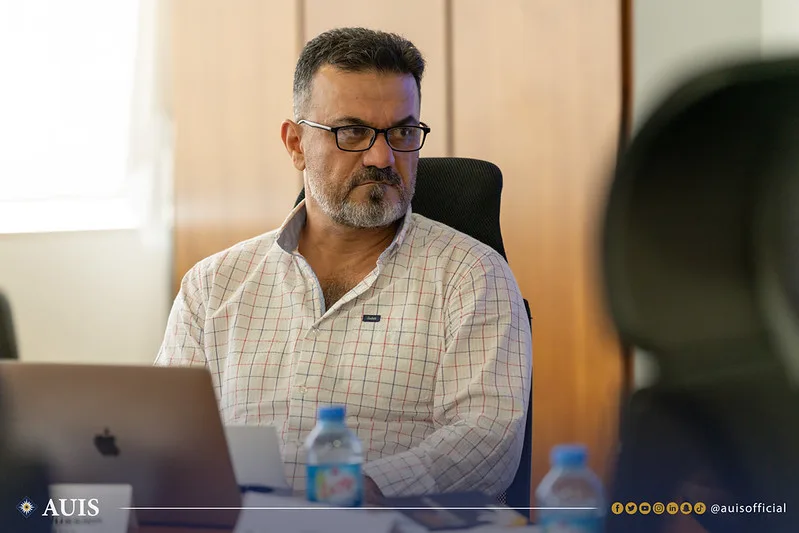
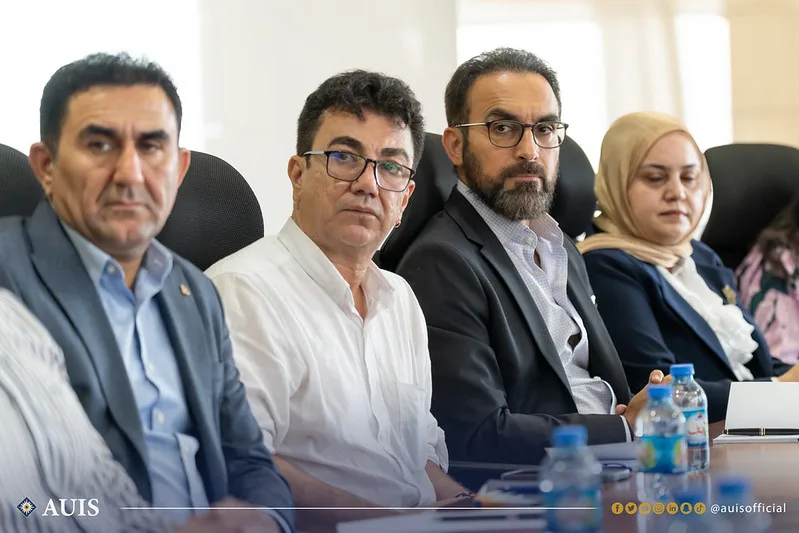
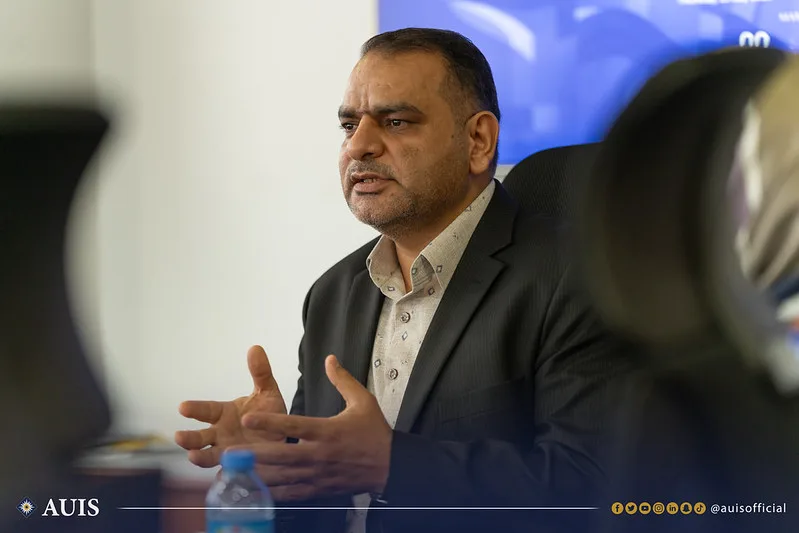
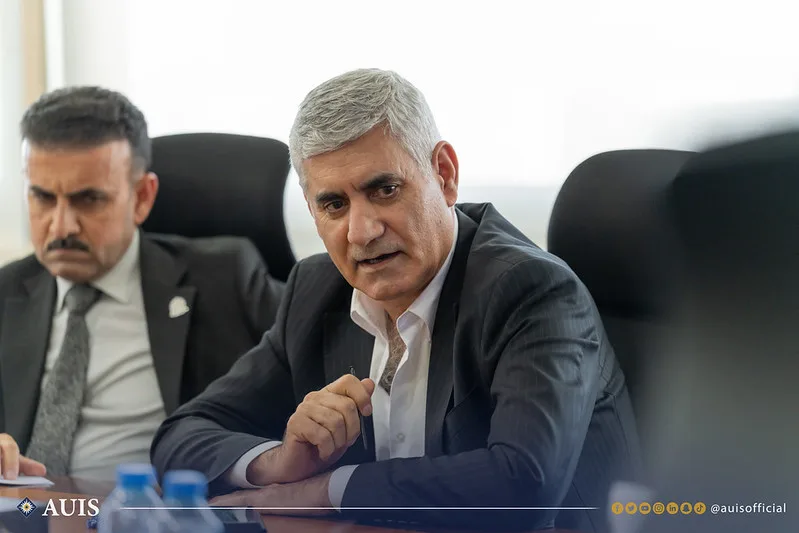
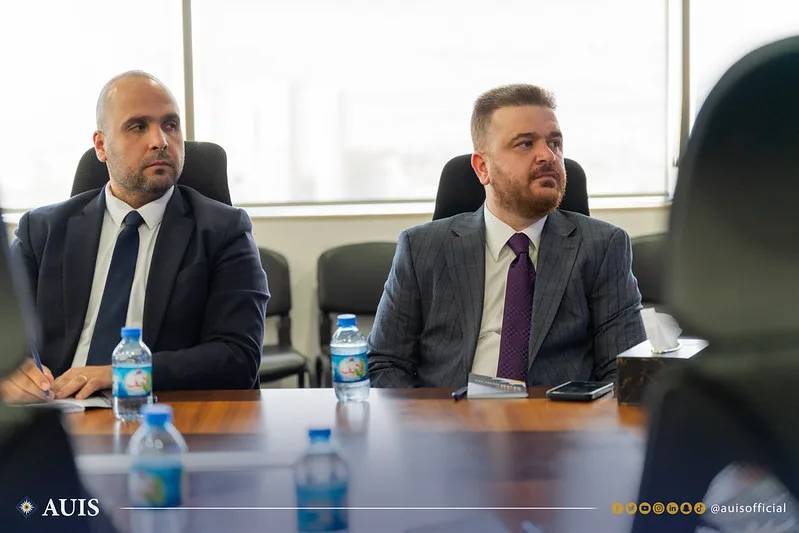
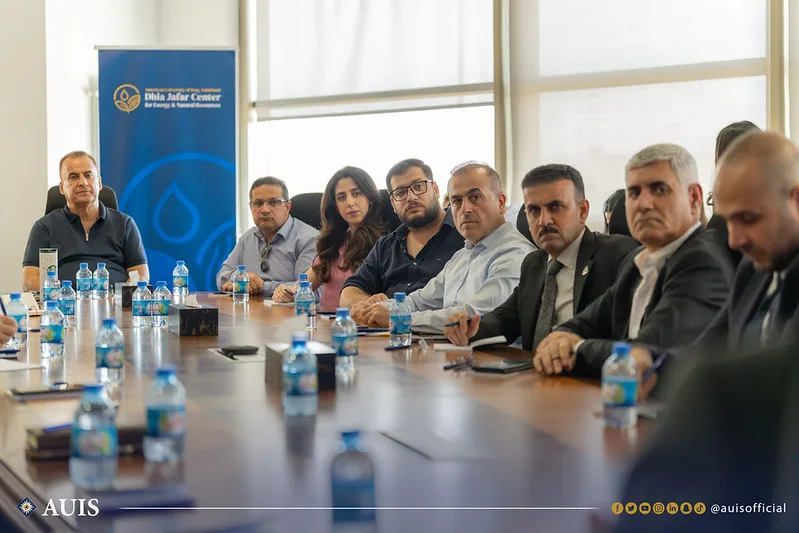
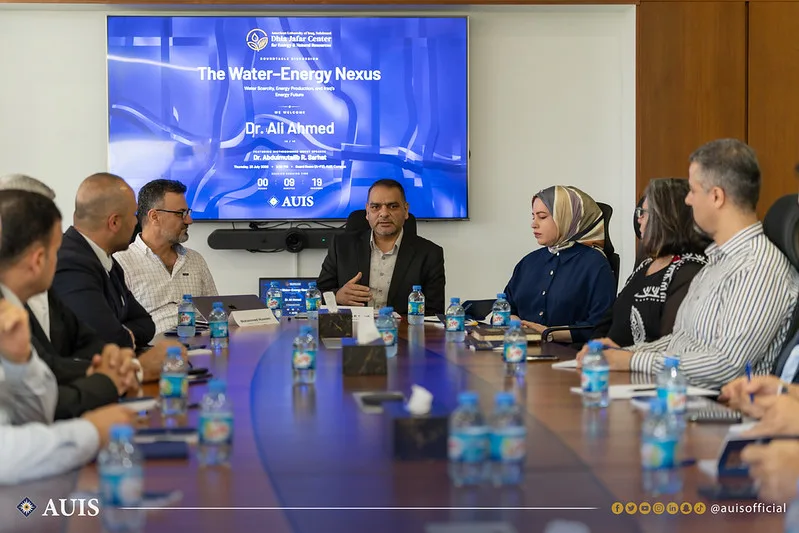
The AUIS Dhia Jafar Center for Energy and Natural Resources hosted a roundtable exploring these connections and addressing a central question: How is the future of Iraq's energy sector shaped by the water-energy nexus? Our distinguished guest speaker, Dr. Abdulmutalib Raafat Sarhat, an expert in water resources management, soil pollution, and an environmental researcher, examined how Iraq's water scarcity is intertwined with energy production, agriculture, climate change, and long-term sustainable development. Instead of looking at these issues separately, the roundtable brought together experts, researchers, and policy makers to highlight why water is becoming one of Iraq's most critical resources under pressure.
To understand the scale of the challenge, one striking point was Iraq's total oil production capacity of around 5 million barrels per day, and this level of production may require an estimated 8–10 million barrels of water per day, although participants noted that comprehensive national data remains limited. On top of this, additional water is needed during the refining processes, depleting freshwater. Rather than suggesting Iraq reduce its energy production, ideas such as using alternative water sources, improving technologies and water management practices, and exploring methods that reduce freshwater demand while maintaining energy production were brought forth.
Beyond the oil sector, the roundtable also examined the broader causes of Iraq's growing water crisis, highlighting the declining rainfall, rising temperatures, pollution, aging infrastructure, and Iraq's dependence on rivers that originate beyond its borders. Together, these challenges are placing increasing strain on the country's limited freshwater resources. This emphasized the importance of expanding wastewater treatment and reuse, allowing treated water to support industrial activities and agriculture instead of relying solely on freshwater supplies.
Closely tied to this strain, agriculture emerged as another key theme throughout the session. Rather than reducing agricultural activity, which is historically and culturally prevalent in our society, our guests stressed the need to improve efficiency through modern irrigation systems and better water management.
Building on these ideas, several participants also advocated for practical solutions for protecting Iraq's freshwater resources. One of our guests, a government official, pointed to the potential of using alternative water sources, such as saline water from the Shatt al-Arab and the Gulf for industrial purposes where feasible, helping preserve freshwater for drinking and agriculture. A senior researcher in the civil engineering department at Komar University of Science and Technology highlighted the role of emerging technologies, suggesting that artificial intelligence and renewable energy could improve water management and significantly reduce water consumption in the future.
Looking beyond domestic solutions, a distinguished guest professor of hydrogeology and water expert of 20 years explained that Iraq's water challenges cannot be addressed through domestic action alone. Regional cooperation and stronger water diplomacy are essential, while American University of Iraq, Sulaimani's head of law department shared that international legal frameworks can support Iraq's efforts to protect its shared water resources if conducted properly.
Taken together, the roundtable discussion reinforced that Iraq's water crisis goes beyond water alone, and it is closely connected to energy production, agriculture, climate change, international policy, and long-term development. By bringing together experts from different disciplines, the AUIS Dhia Jafar Center for Energy and Natural Resources continues to create a platform for meaningful dialogue, and evidence-based solutions from experts. What has become clear is that protecting Iraq's water resources is not only an environmental priority, it is essential to building a more sustainable future.