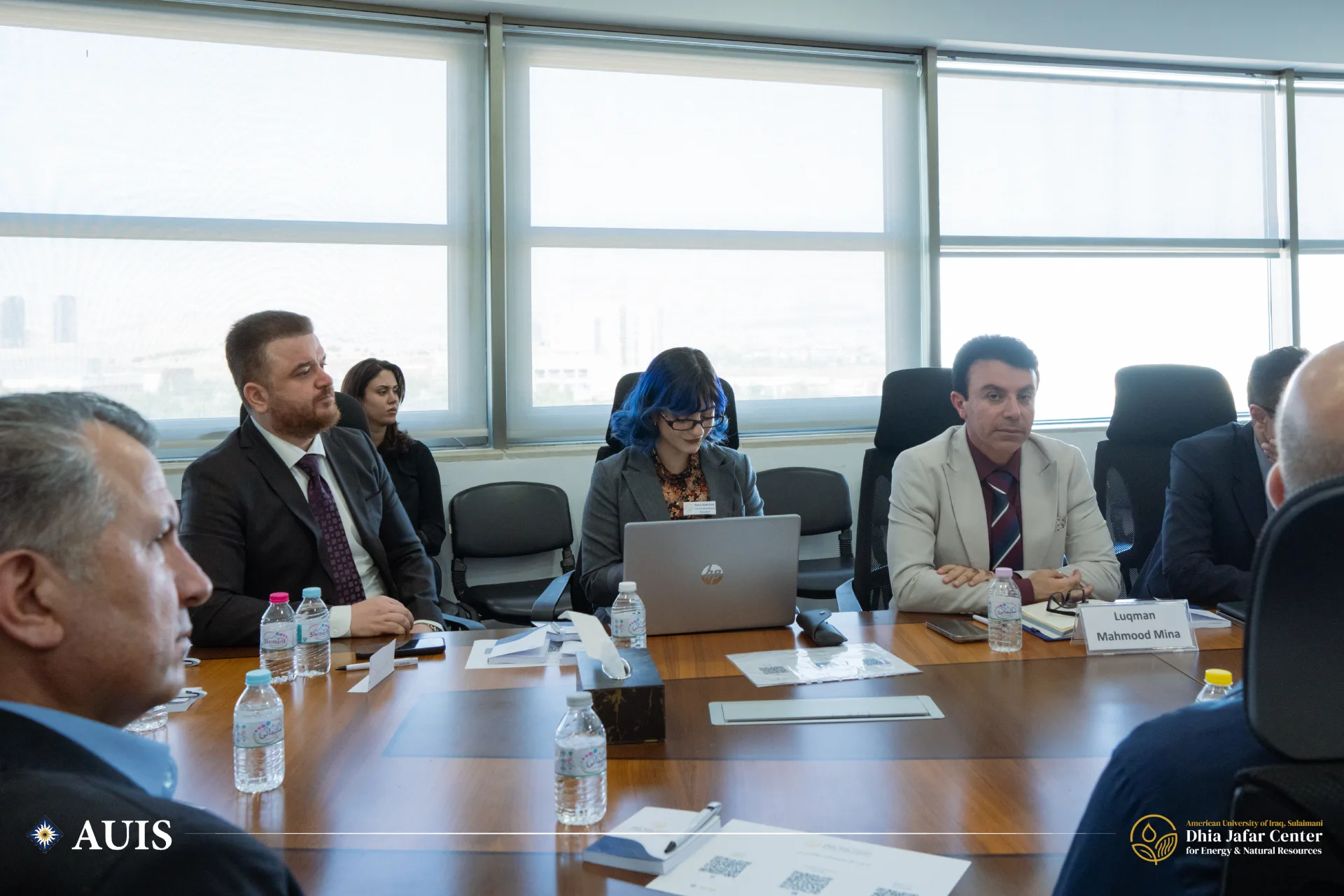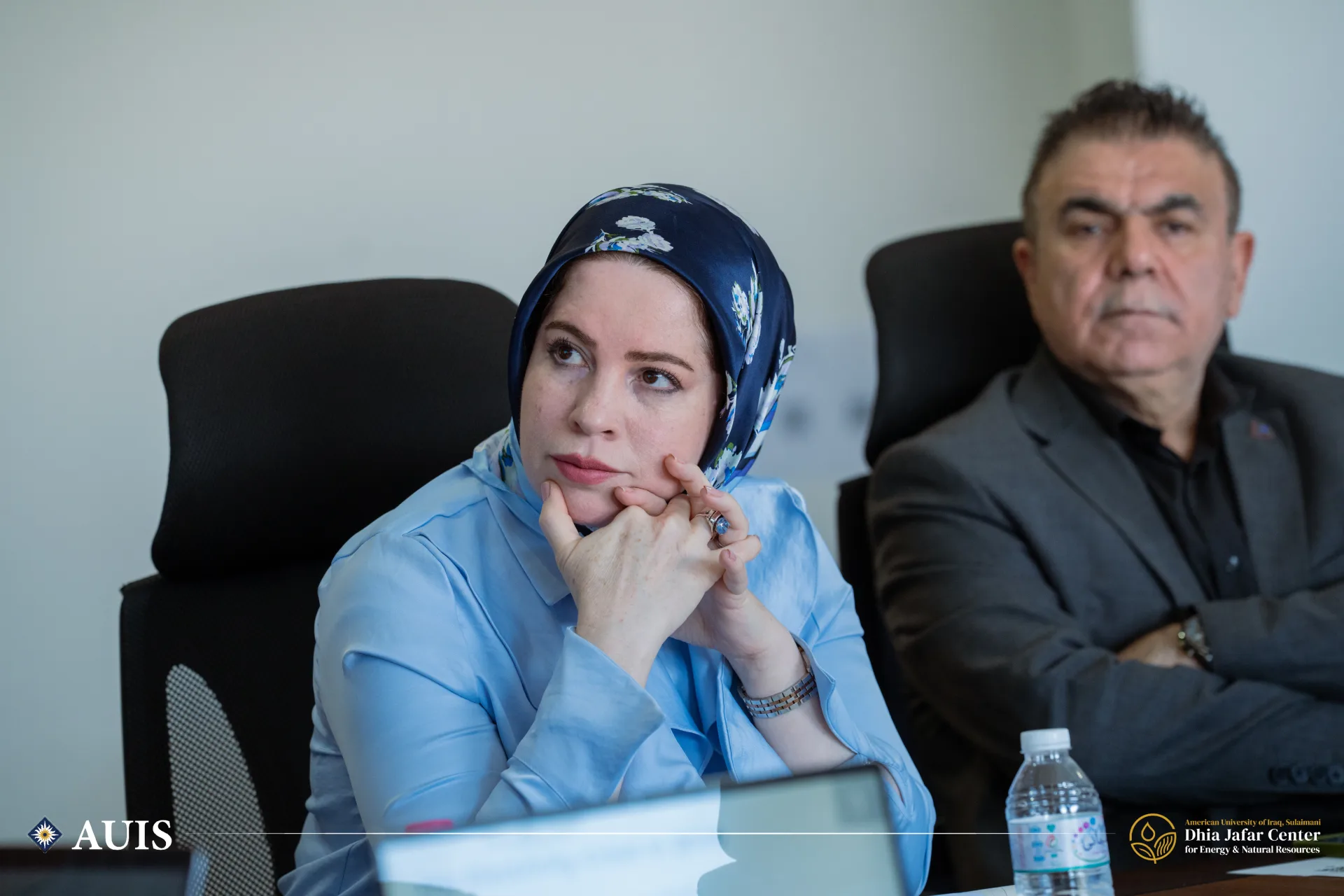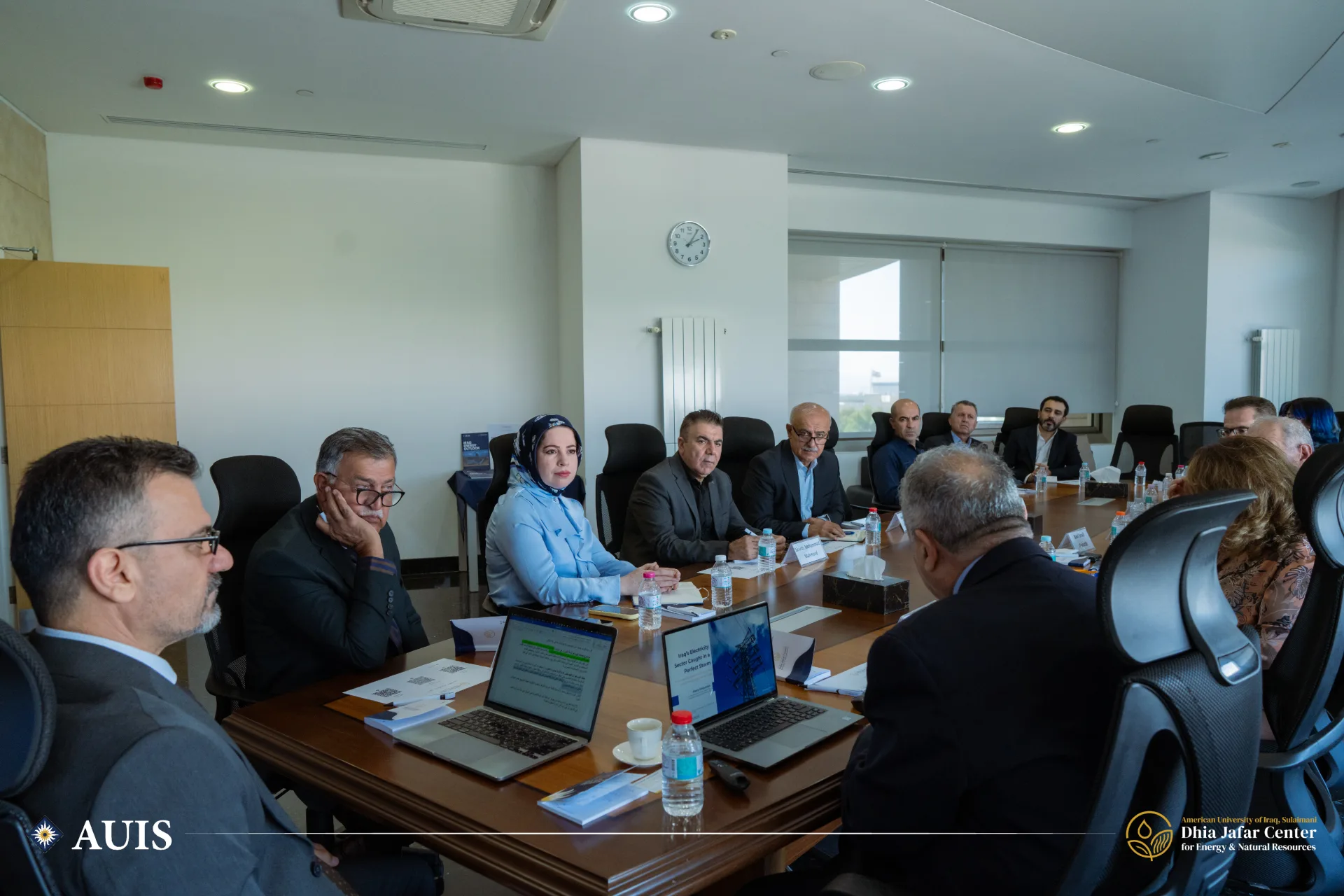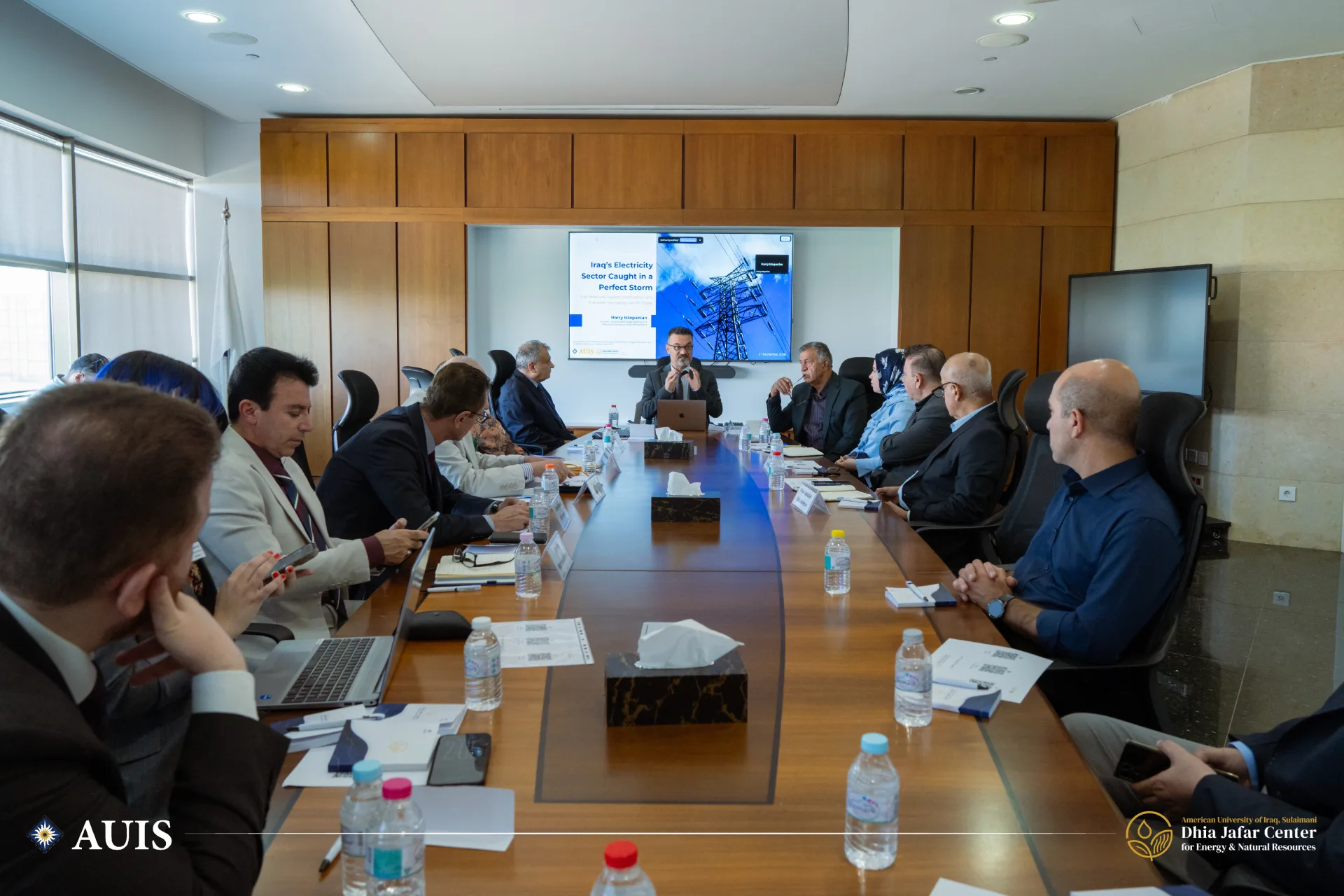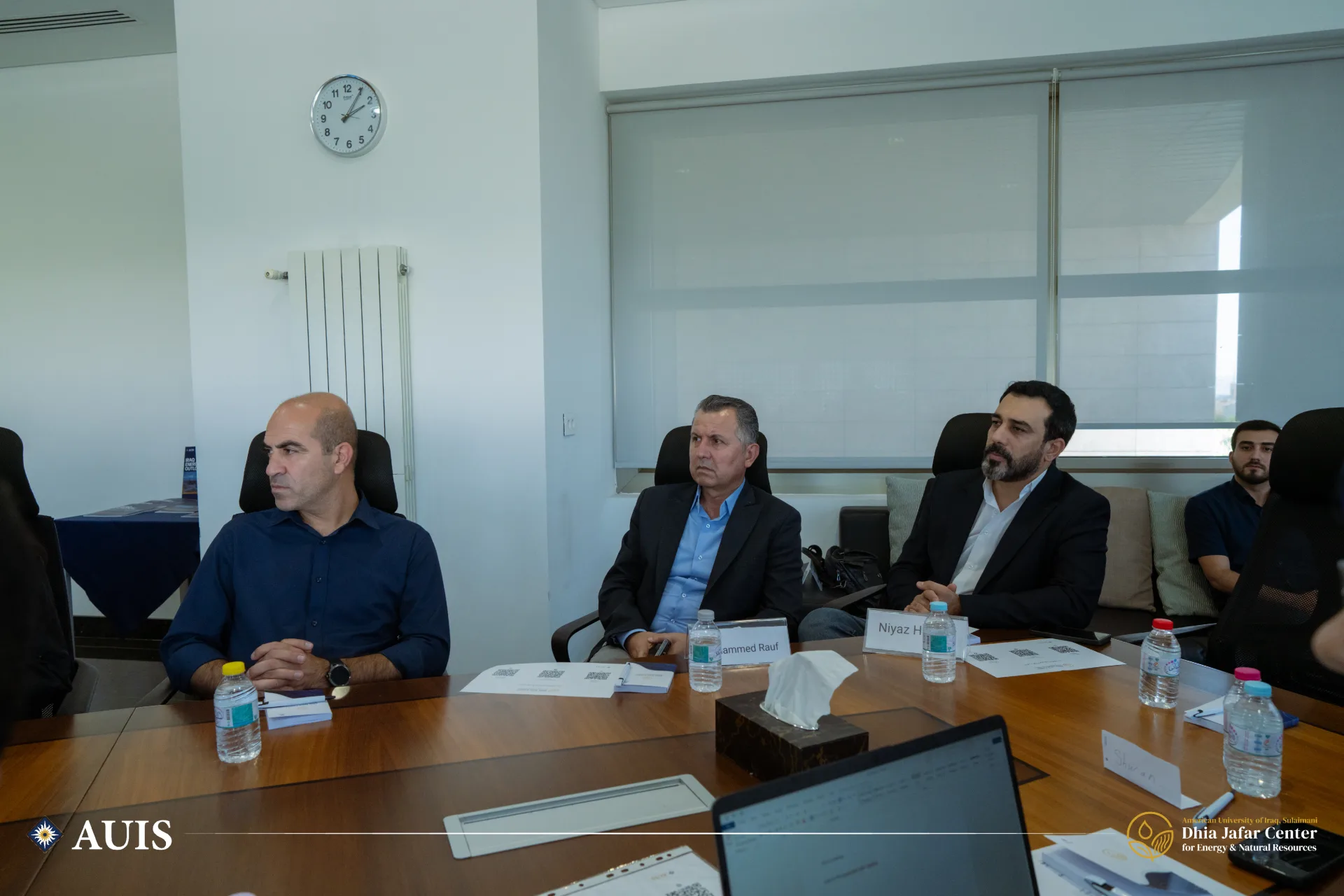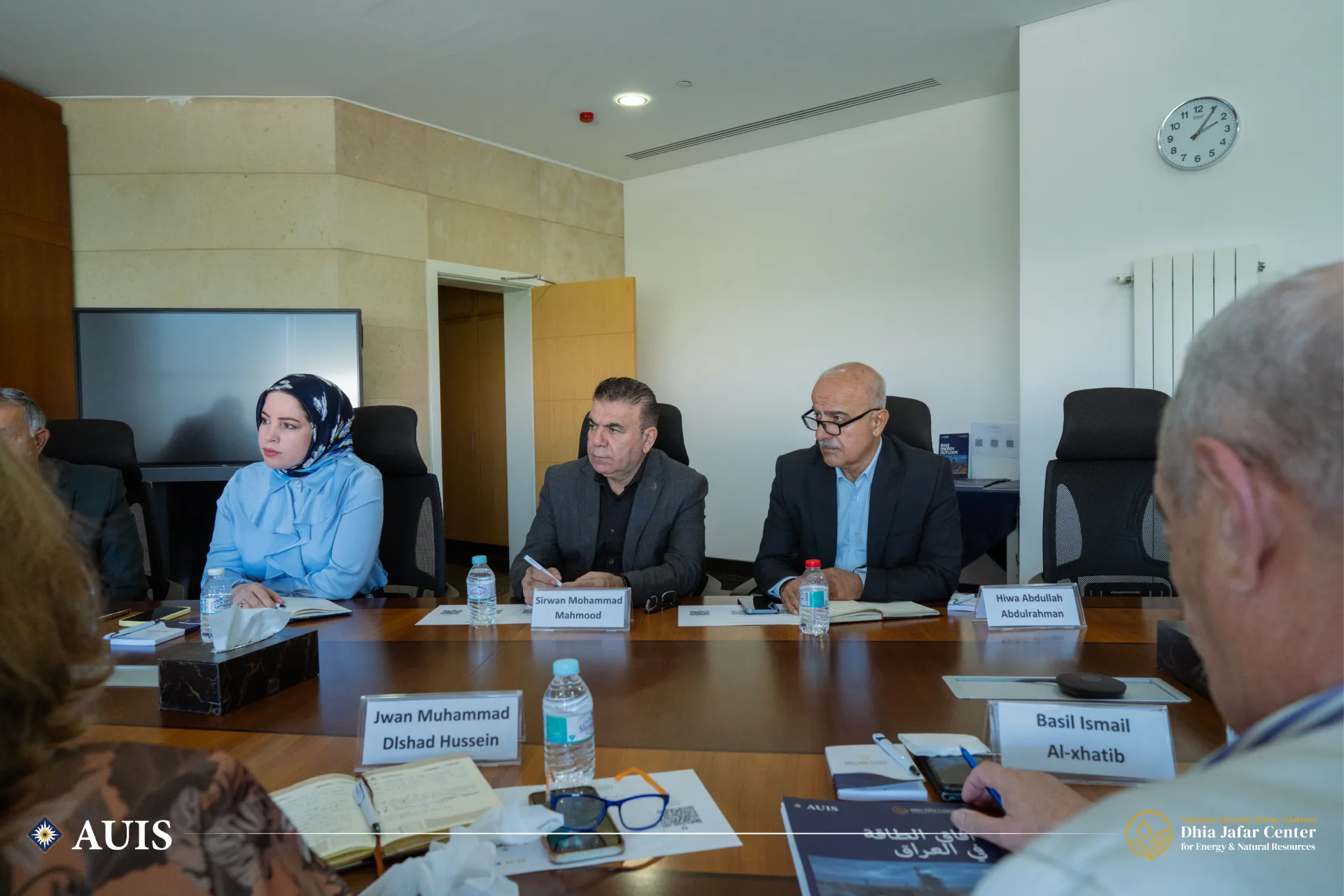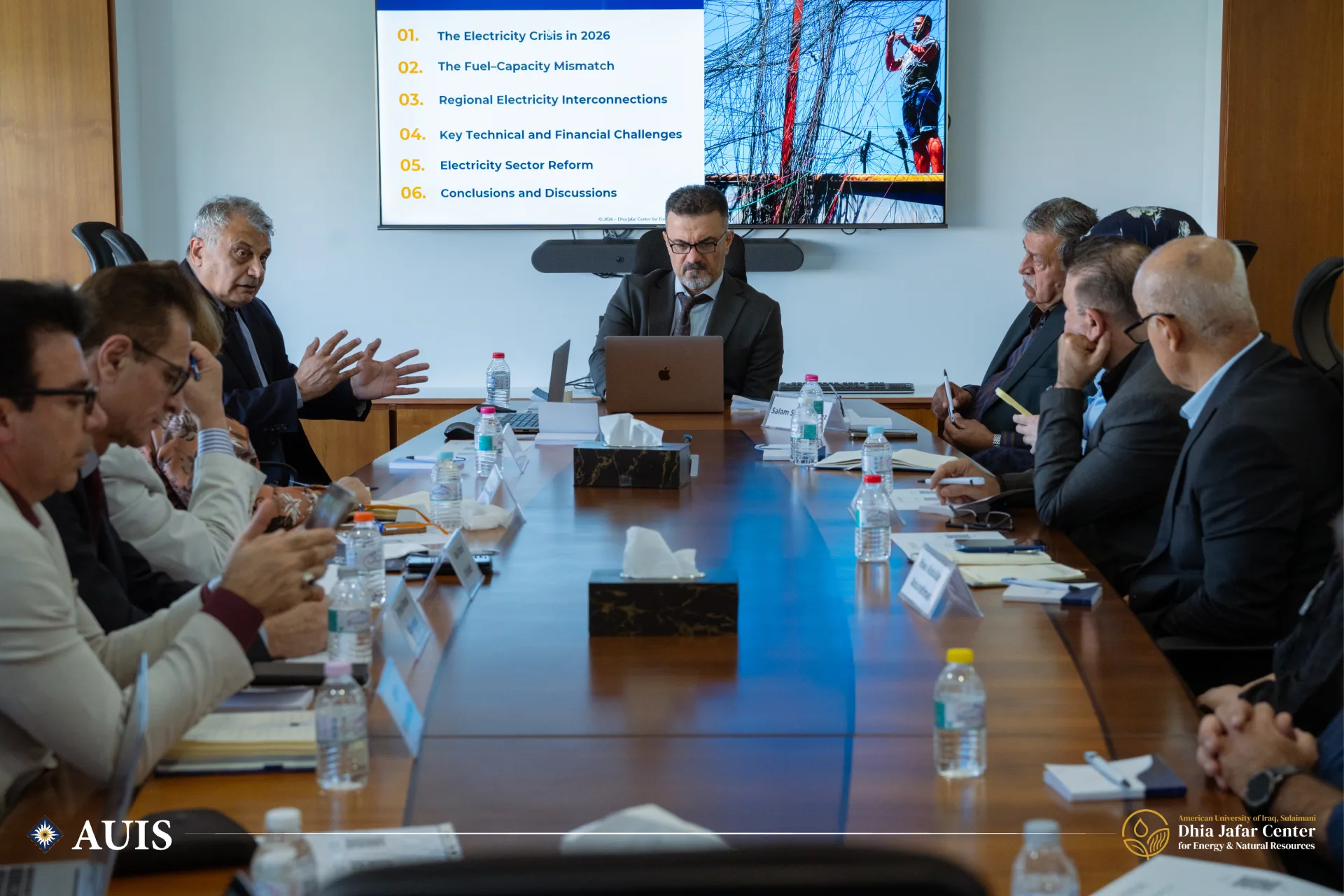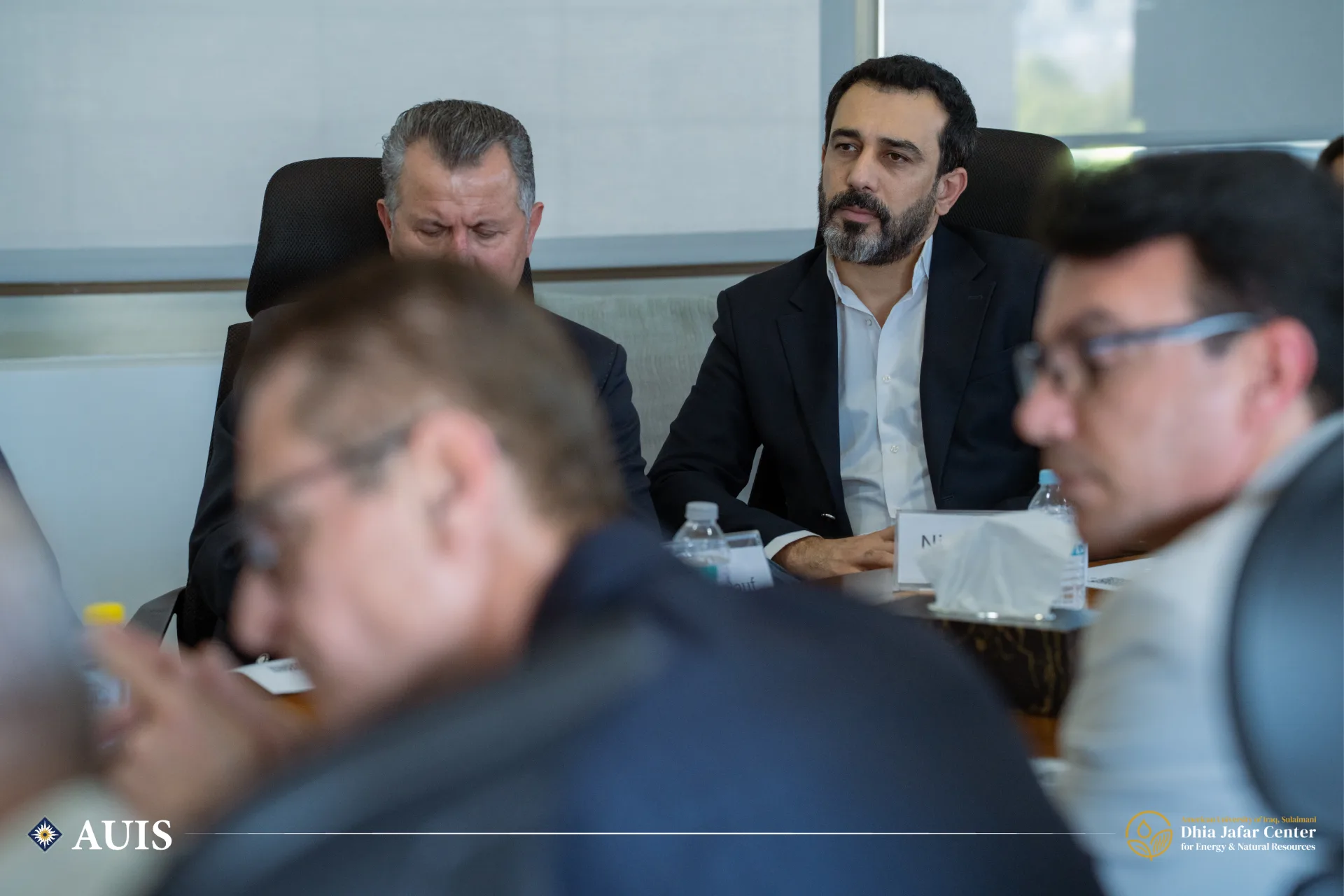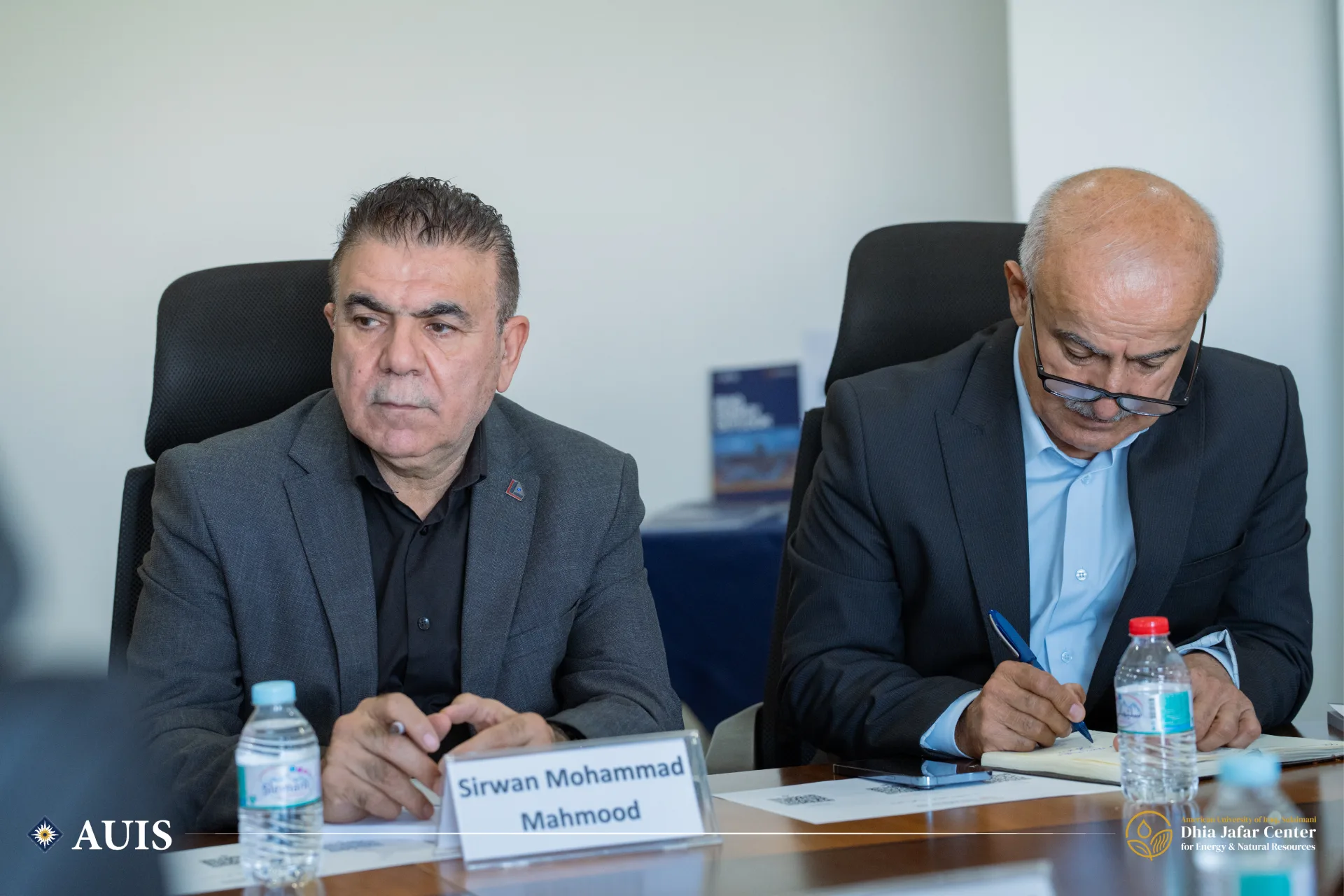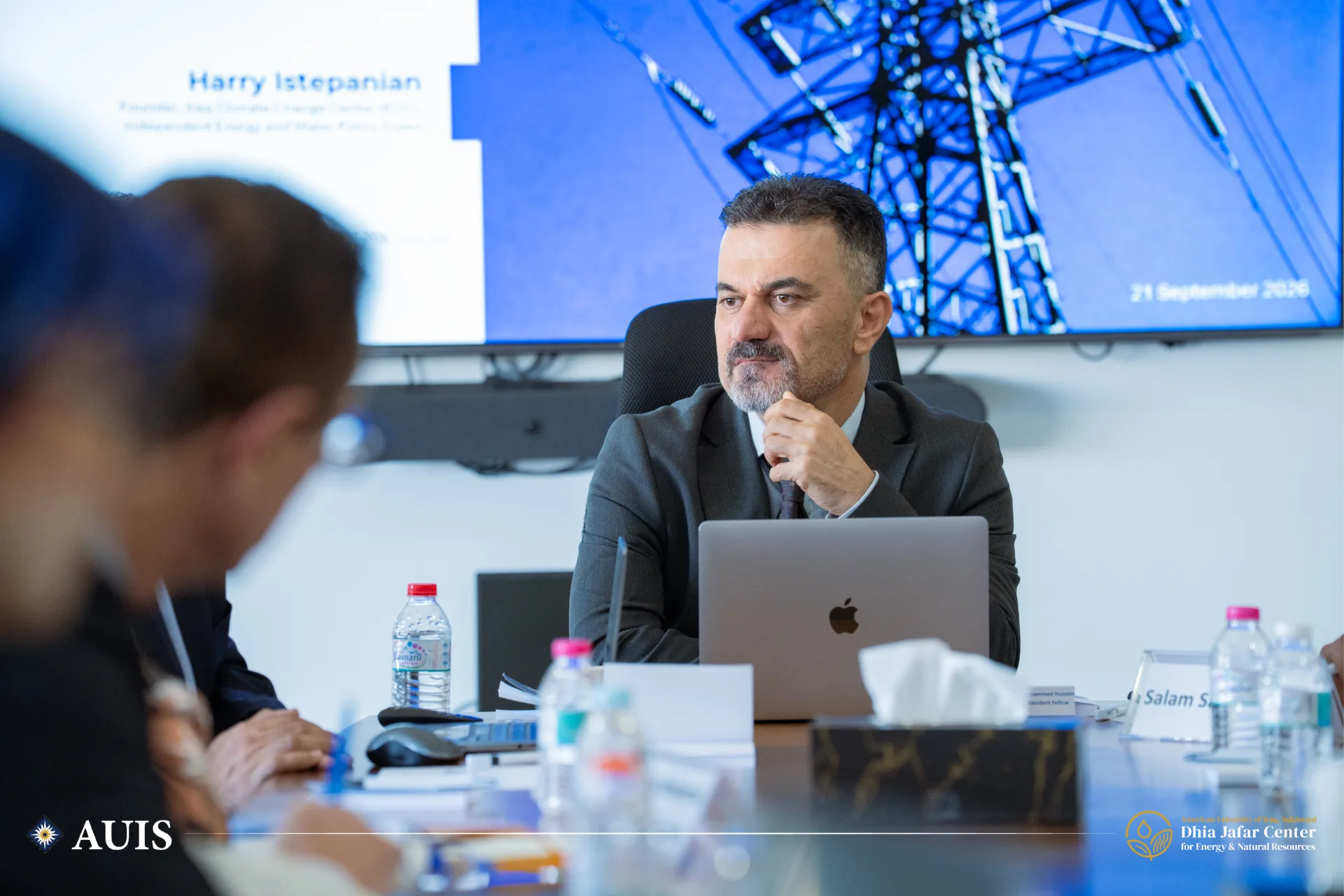

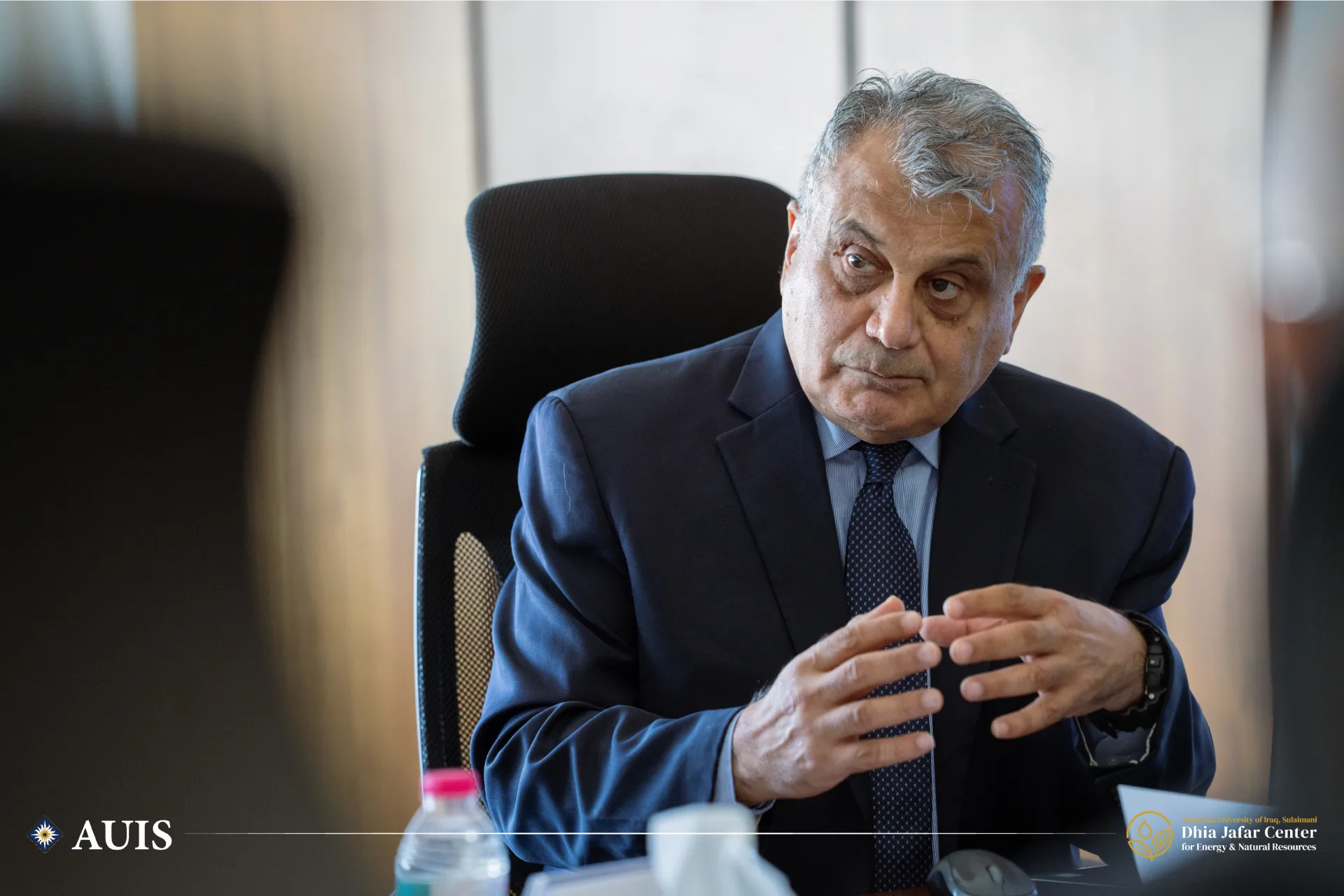
The AUIS Dhia Jafar Center for Energy and Natural Resources convened a roundtable following a presentation by Harry Istepanian, founder of the Iraq Climate Change Center (IC3+) and an independent energy and water policy expert.
The roundtable began with a simple but important question: If more generation alone cannot solve the crisis, what can?
The Problem Goes Beyond Power Generation
A central point of the discussion was that Iraq’s electricity crisis cannot be understood simply as a shortage of power plants. With projected peak demand exceeding 55 GW in 2026 against available supply of about 22 GW, the gap is further compounded by rising demand driven by population growth, urbanization, increased appliance ownership, greater air-conditioning use, and more intense heatwaves.
Questions were raised about how effectively Iraq’s existing generation capacity is being planned and managed. Of the country’s approximately 251 gas and combined-cycle turbines, around 30 percent were reported idle due to technical faults, maintenance requirements, or fuel shortages.
The grid itself also presents significant vulnerabilities. Power plants have been added over time without sufficiently integrated planning, creating a complex system in which coordination between generation, fuel supply, and electricity distribution remains a major challenge. The concentration of generation also creates additional vulnerability when key facilities experience disruptions.
Understanding the Governance of Electricity and “The Philosophy of Energy”
The conversation naturally moved beyond technical questions to the institutions and systems responsible for managing the sector. Inquiries emerged about whether Iraq’s current planning approach can keep pace with rapidly changing electricity demand. Existing forecasts were noted as relying on outdated population and growth assumptions, while more specialized models could provide a clearer basis for anticipating future needs.
However, a focal issue examined was the lack of comprehension by the government and society when it comes to the “Philosophy of Energy”. Participants pointed to the current governmental ministries seeming to lack coordination across Iraq’s energy institutions. Noting that electricity is a system within a broad energy sector. One proposal therefore considered the potential role of a broader Ministry of Energy in bringing these separate sectors under a more coordinated framework. Making the Ministry of Energy the key policymaker for oil and gas, electricity, and renewable sources of power such as water and others.
Yet the challenge of financial pressures kept coming back. The presentation showcased estimated annual electricity generation costs of $15–20 billion, alongside substantial sector losses and weak revenue collection. Highlighting that the crisis is not only about producing more electricity, but also about how the sector is planned, managed, and financed.
From Crisis Management to Structural Reform
The roundtable concluded with practical proposals aimed at addressing some of these interconnected challenges. Some of the key takeaways are the following:
Underscoring the establishment of a unified nationwide billing and administrative framework
Clustering power stations for more flexible management across governorates
Expanding smart-meter deployment
Integrating electricity data through centralized systems
Ultimately, strengthening these interconnected systems will be essential to building a more reliable and sustainable electricity sector.