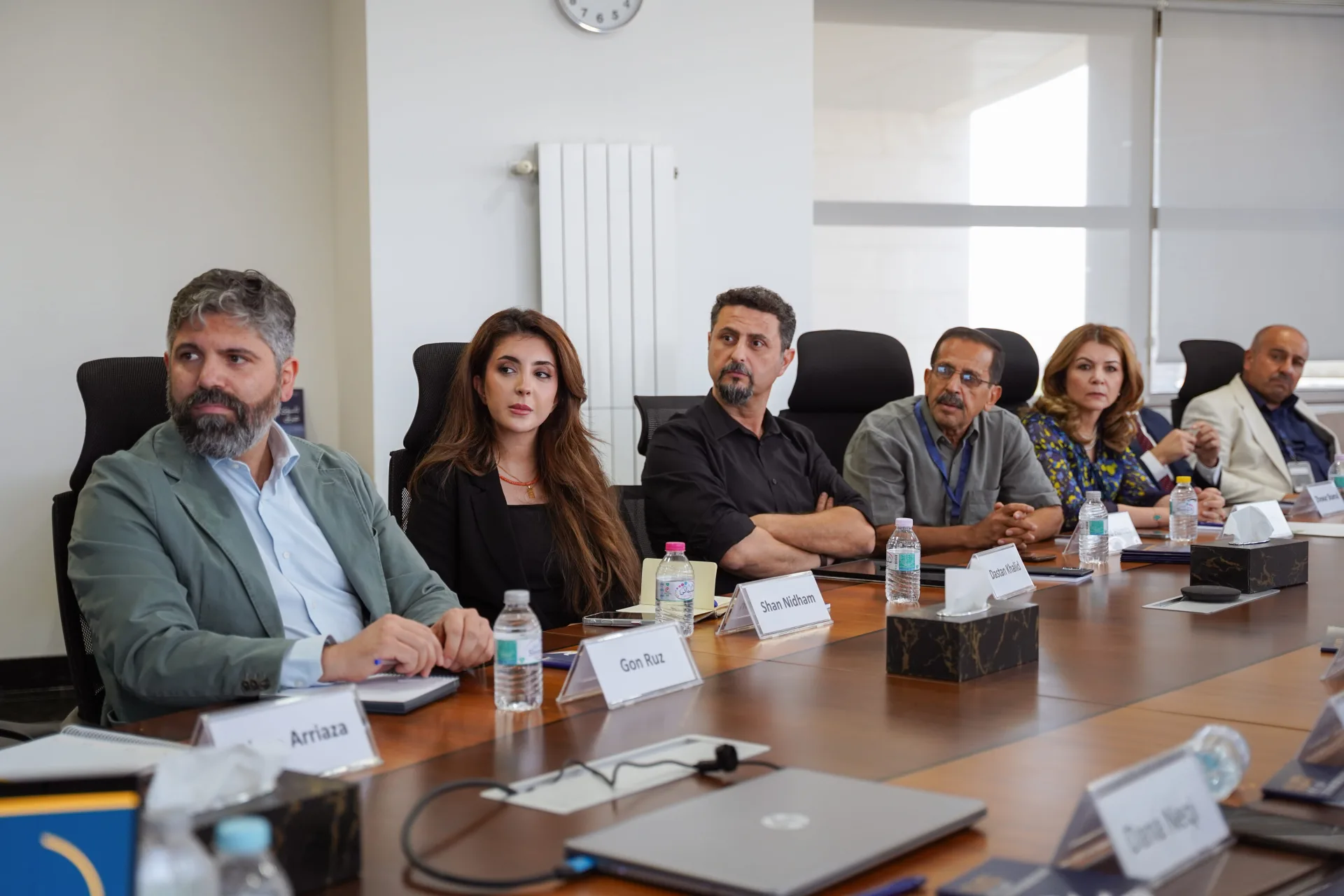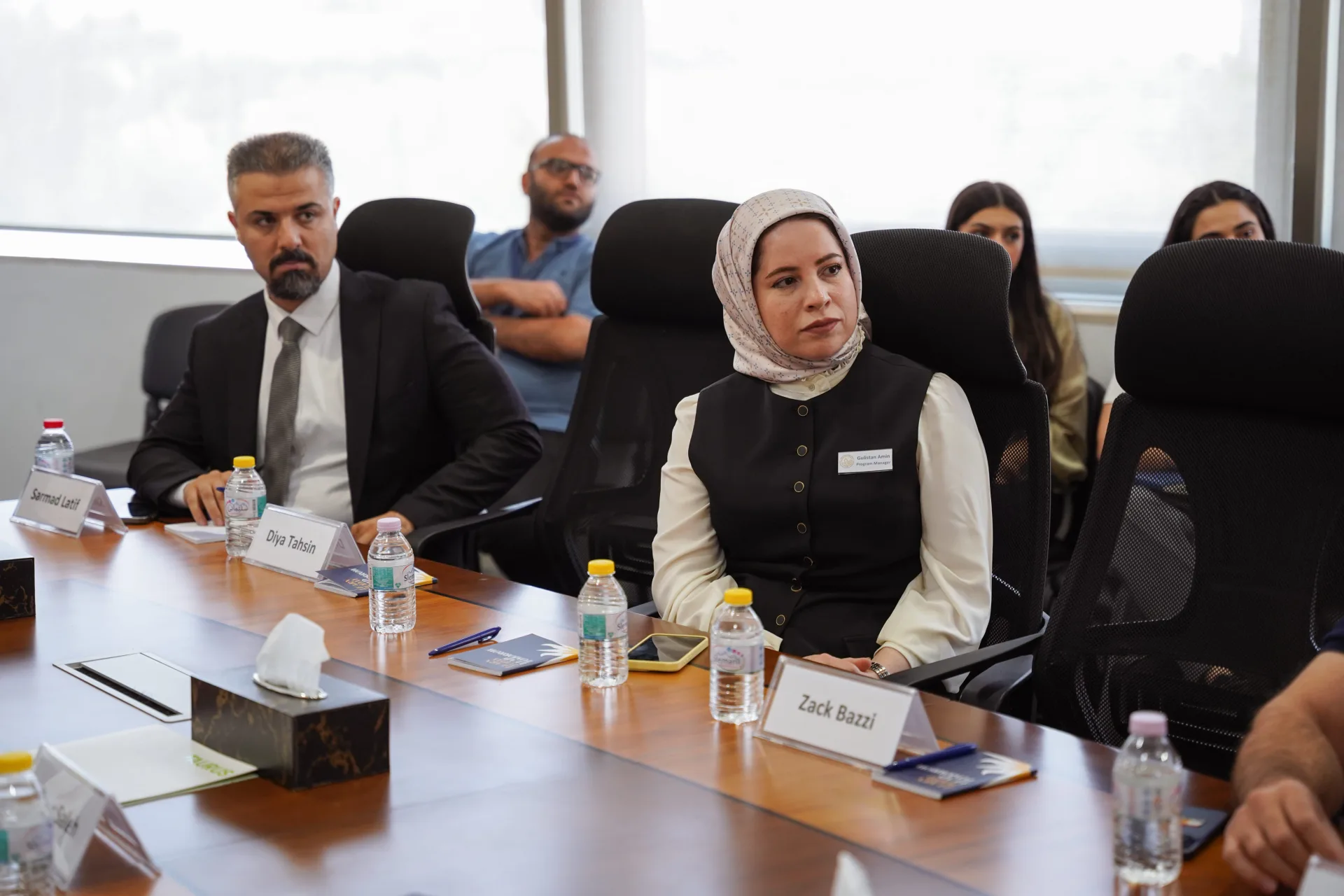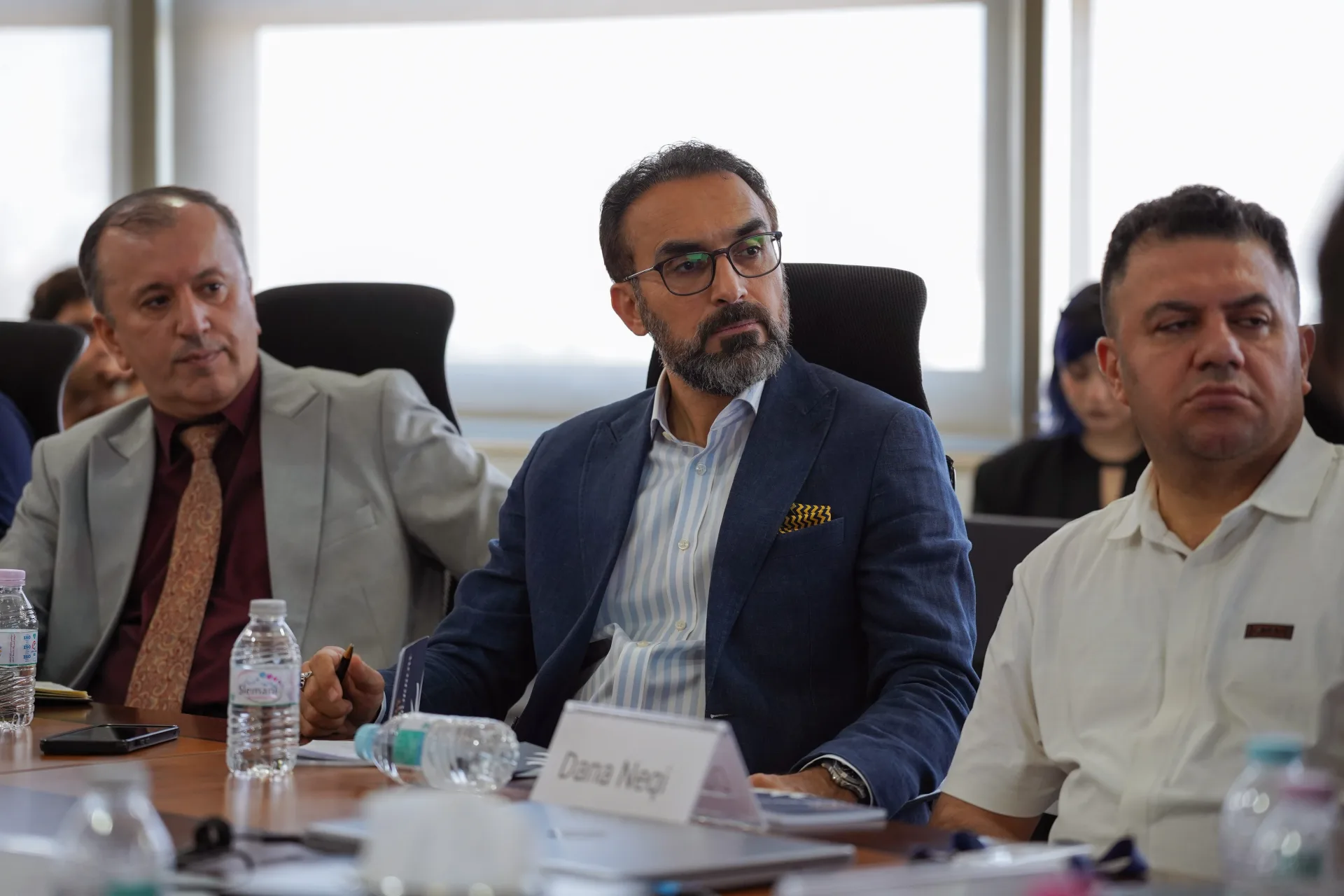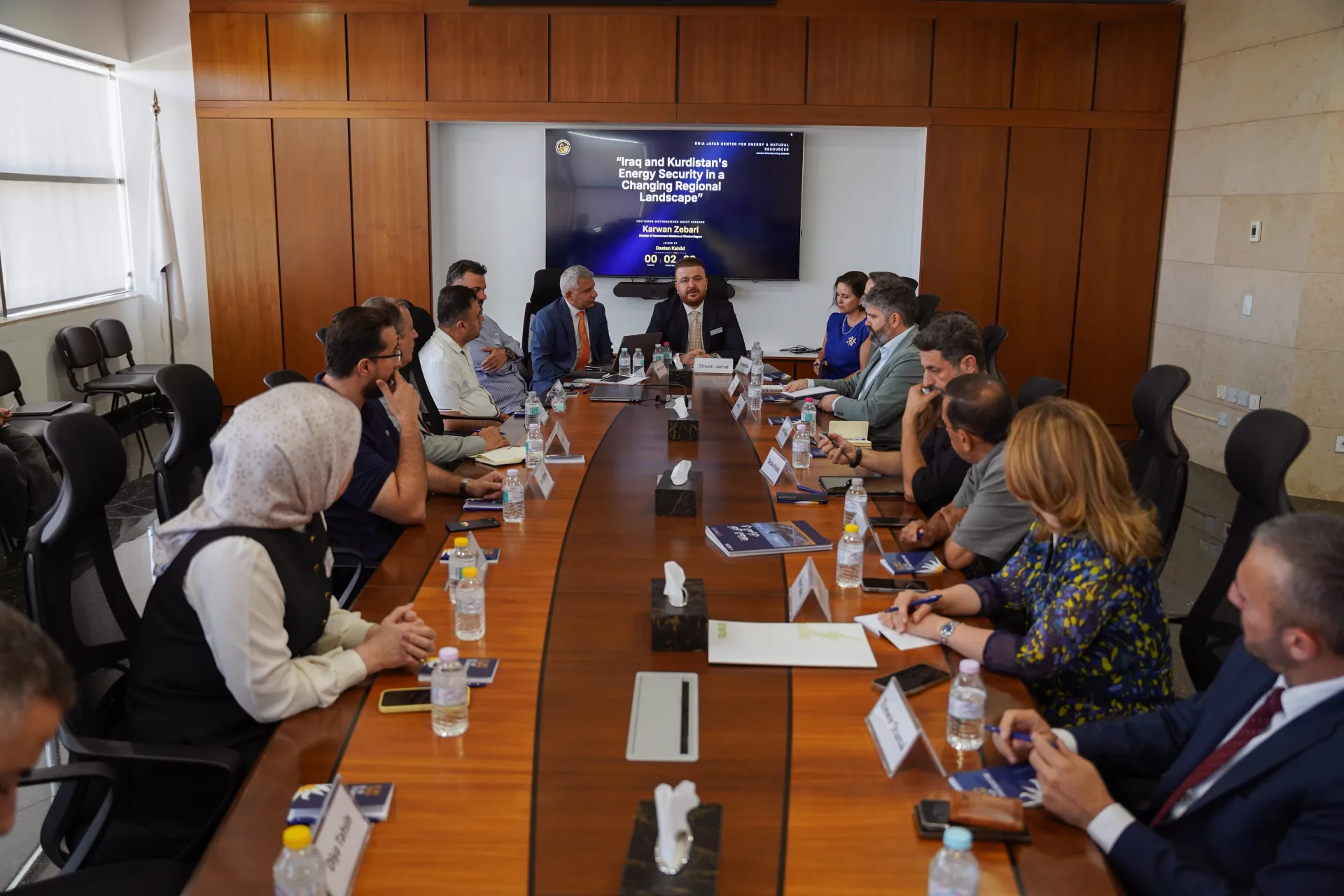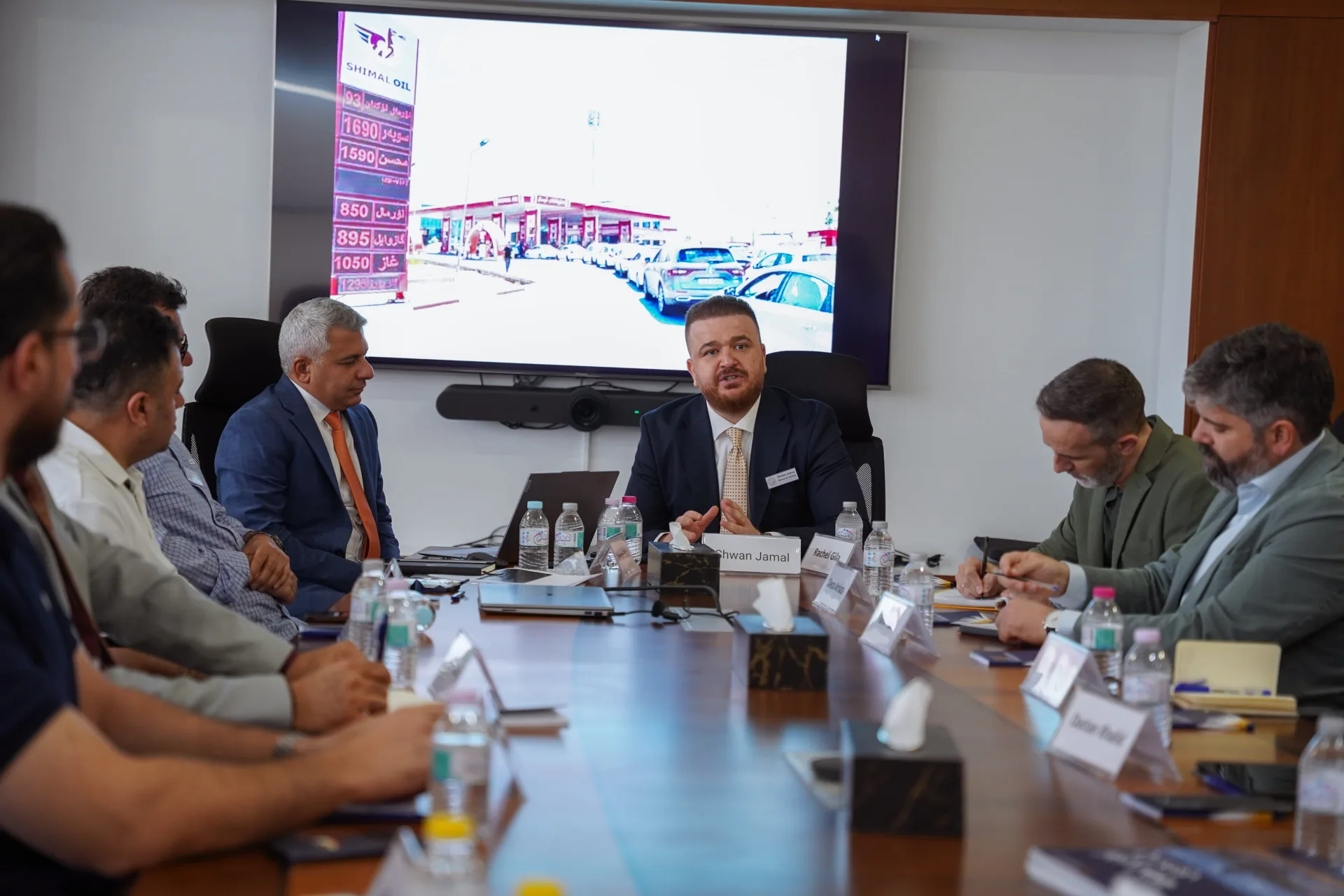

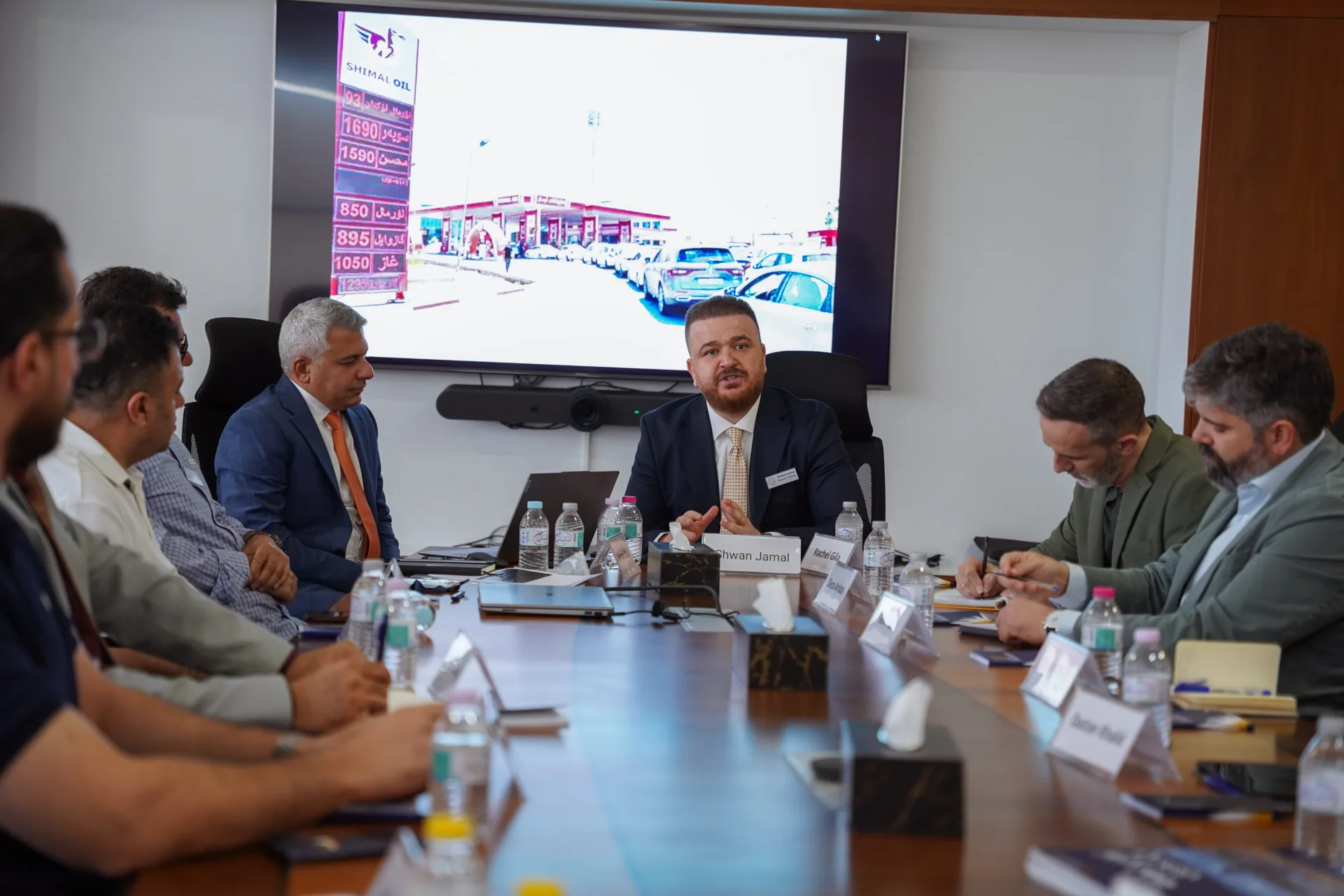
The AUIS Dhia Jafar Center for Energy and Natural Resources convened a closed-door roundtable bringing together representatives from academia and the energy industry to examine Iraq and the Kurdistan Region’s energy security amid a rapidly changing regional landscape.
The discussion focused on a central question: How resilient is Iraq’s energy system to a major regional disruption?
Hormuz and the Test of Energy Resilience
Recent disruption surrounding the Strait of Hormuz has underscored Iraq’s heavy dependence on a limited number of export routes and brought renewed attention to the country’s energy resilience.
Participants examined the implications of a prolonged disruption to Gulf export routes and the need for Iraq to develop credible alternatives. Potential northbound and westbound corridors through Türkiye, Syria, and Jordan were discussed alongside the political, security, infrastructure, and investment requirements necessary to make such routes viable.
The discussion highlighted a broader lesson: energy security is no longer simply about how much oil Iraq can produce. It is also about whether the country can continue moving, protecting, and monetizing energy during periods of disruption.
The data, maps, and visualizations that were presented helped ground the discussion and supported an active exchange among participants on infrastructure vulnerabilities, alternative export routes, and regional energy connectivity.
Natural Gas as a Strategic Asset
A second major theme was the growing strategic importance of natural gas.
While oil remains the foundation of Iraq’s export economy, participants emphasized that gas plays a different and increasingly important role. Developing domestic gas resources can strengthen electricity security, reduce dependence on imported energy, support industrial development, and create new opportunities for regional energy integration.
As one theme emerging from the discussion captured it: oil supports the economy; gas drives strategy.
Participants considered opportunities to better monetize gas resources in Iraq and the Kurdistan Region, including the potential for fields and infrastructure to be developed as part of a more integrated gas strategy rather than as isolated projects.
Security, Investment, and Governance
The roundtable also examined the physical and commercial foundations of energy security.
The increasing threat posed by drones to oil and gas fields, pipelines, and other critical infrastructure has made protection of energy assets a strategic priority. At the same time, participants stressed that attracting long-term investment requires more than strong geology. Reliable payments, contractual certainty, legal clarity, political coordination, and physical security all shape investor confidence.
Discussion also addressed Baghdad–Erbil coordination and the importance of greater cooperation in developing and managing Iraq’s energy resources.
Building a More Resilient Energy Future
The roundtable pointed toward a broader conception of Iraqi energy security—one based on diversified export routes, stronger infrastructure protection, strategic development of natural gas, predictable investment conditions, local capacity building and greater regional connectivity.
Rather than responding to disruptions only after they occur, Iraq has an opportunity to use the current regional environment as a catalyst for longer-term planning and investment.
DJCENR convened the roundtable as part of its mission to bring together academics, industry, and expertise around evidence-based discussion of Iraq’s most consequential energy challenges, in hopes to bridge the gaps between them. It provided a platform for industry to express its gap in on-field skills so that educational institutions like AUIS can effectively tailor their curriculum and prepare students for the market.
The off-the-record format allowed participants to exchange perspectives candidly, while the presented data and analysis provided a common foundation for discussion and Q&A.